
Last updated November 15, 2026
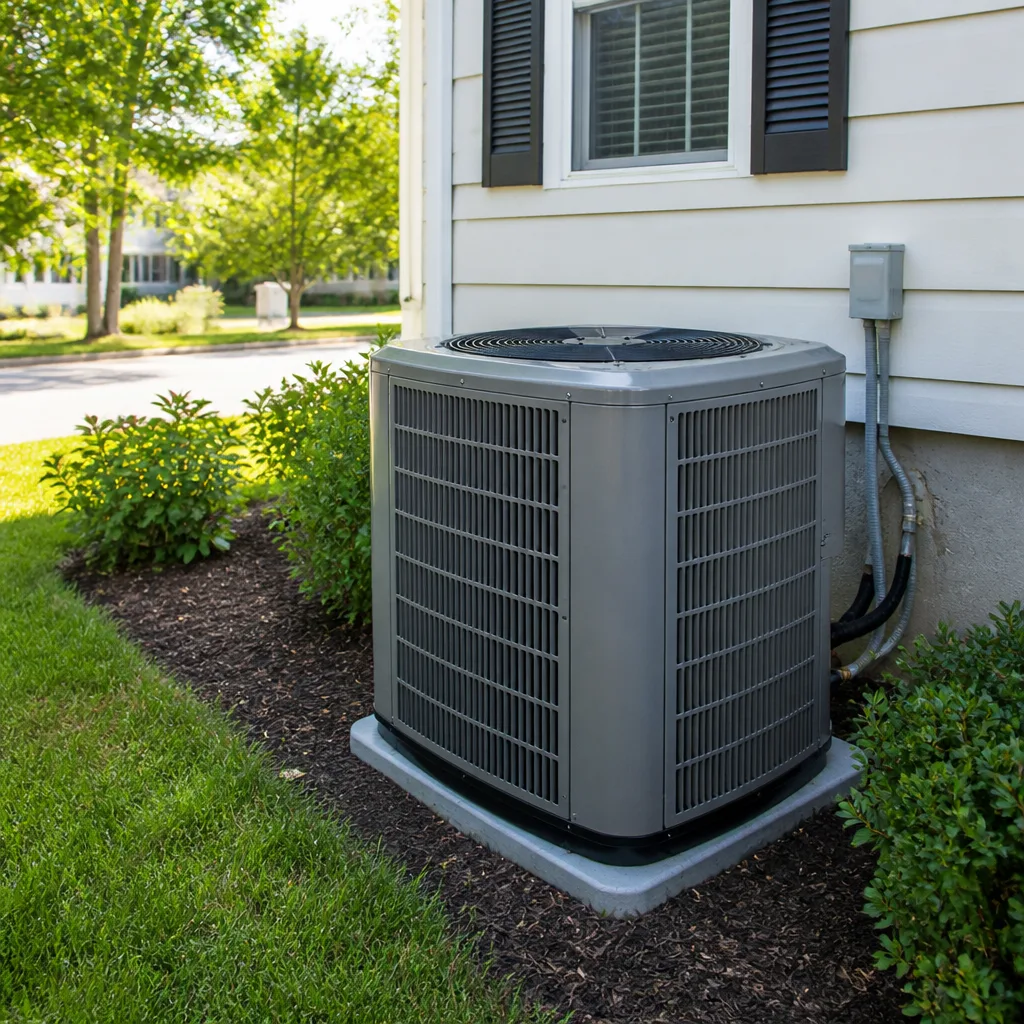 AC repair
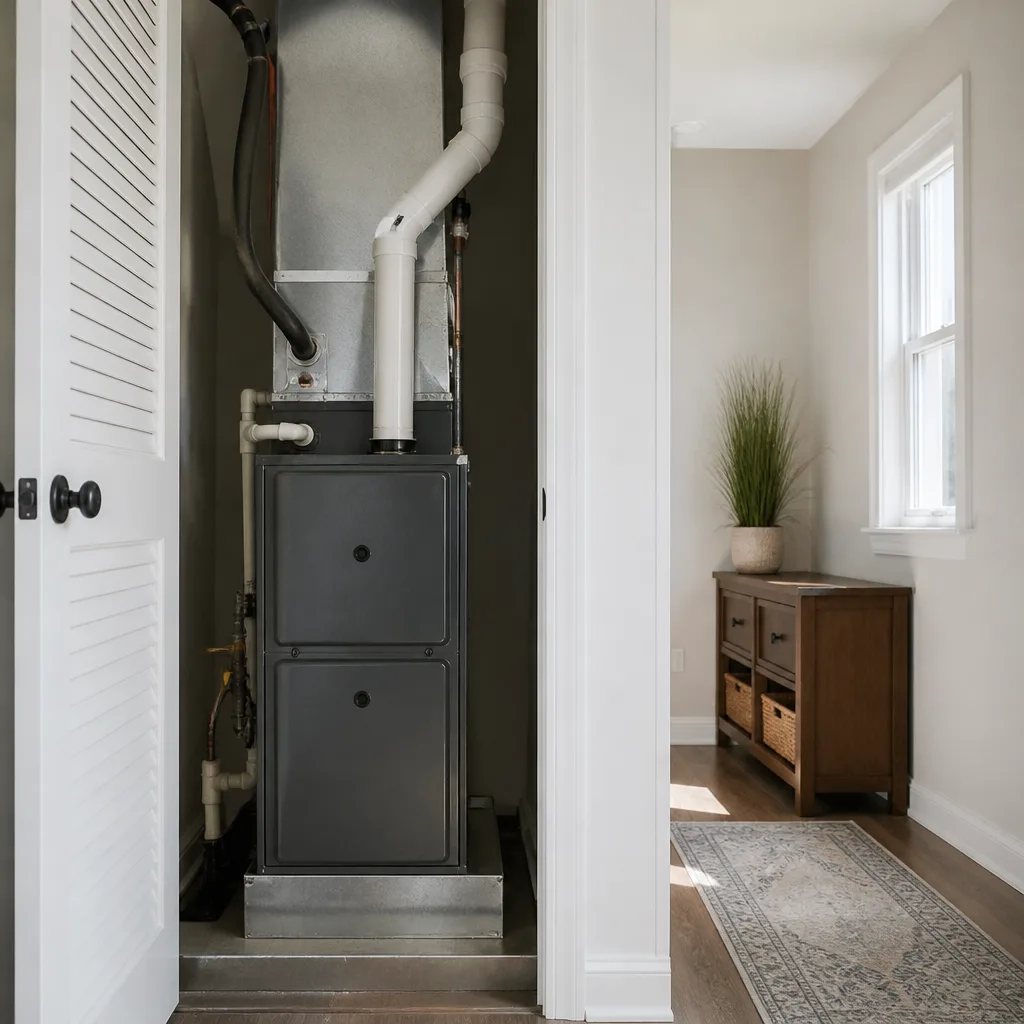 Furnace & heating
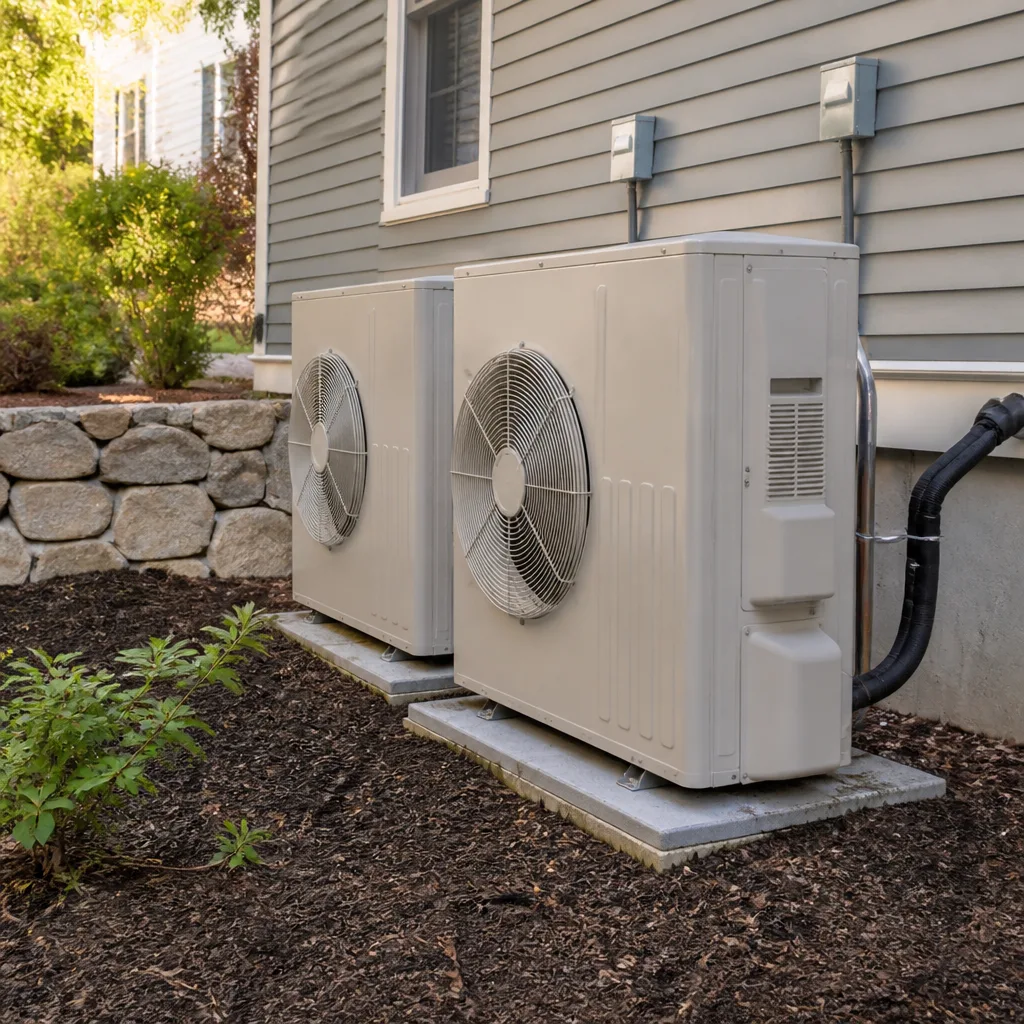 Heat pumps
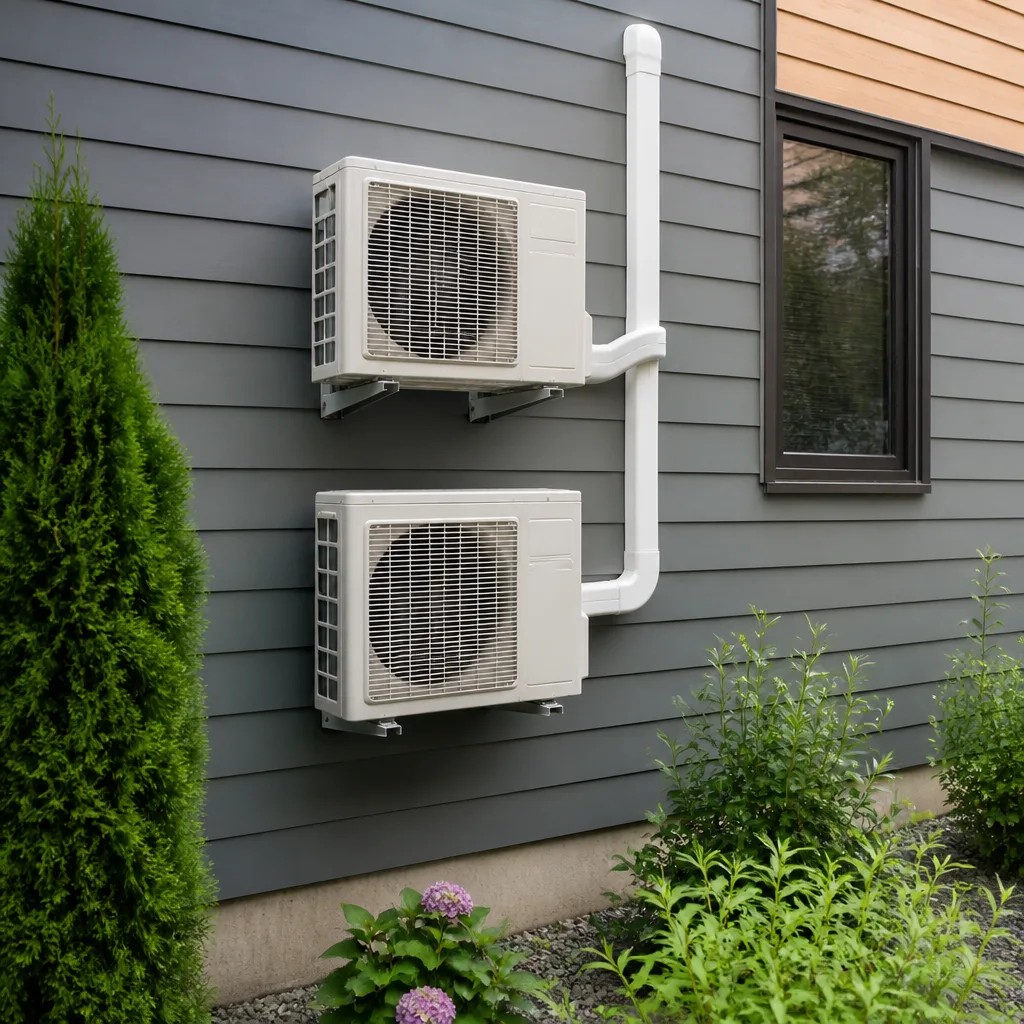 Ductless mini splits
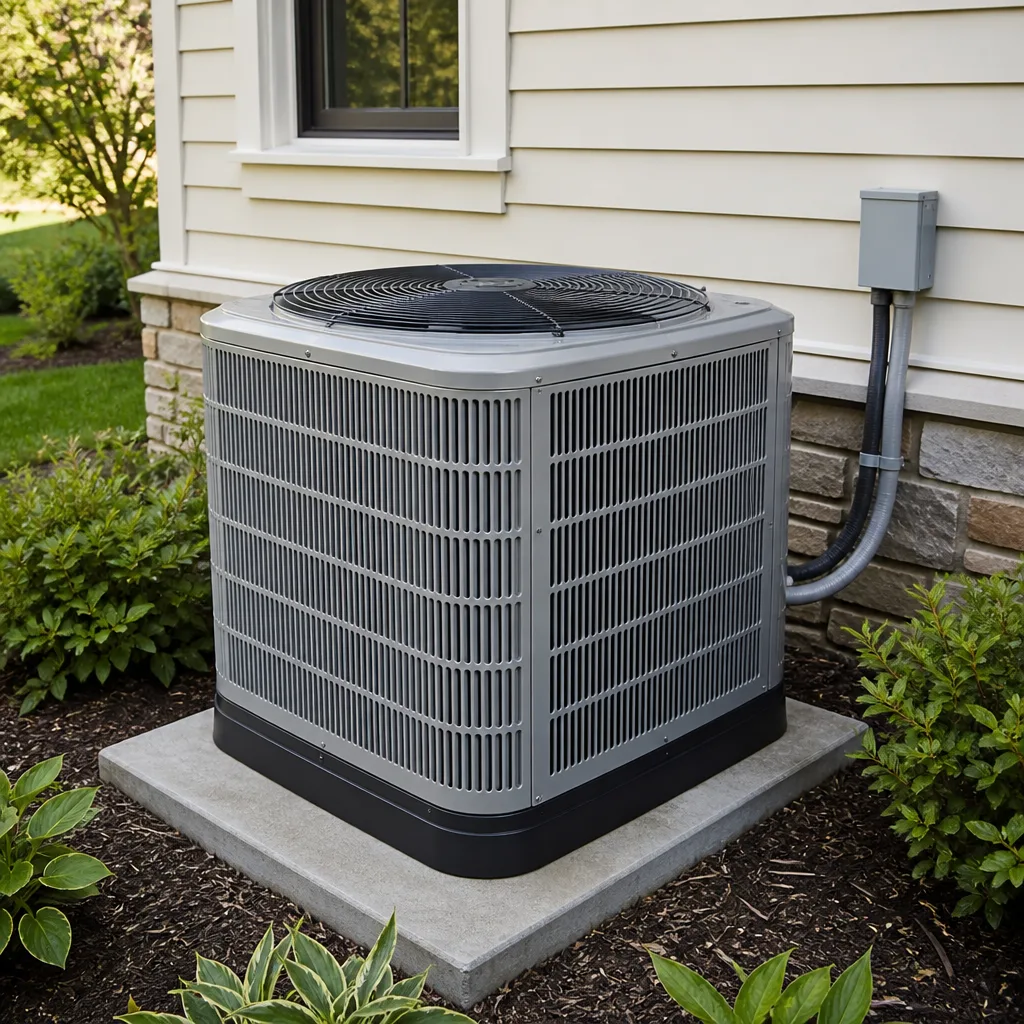 Carrier
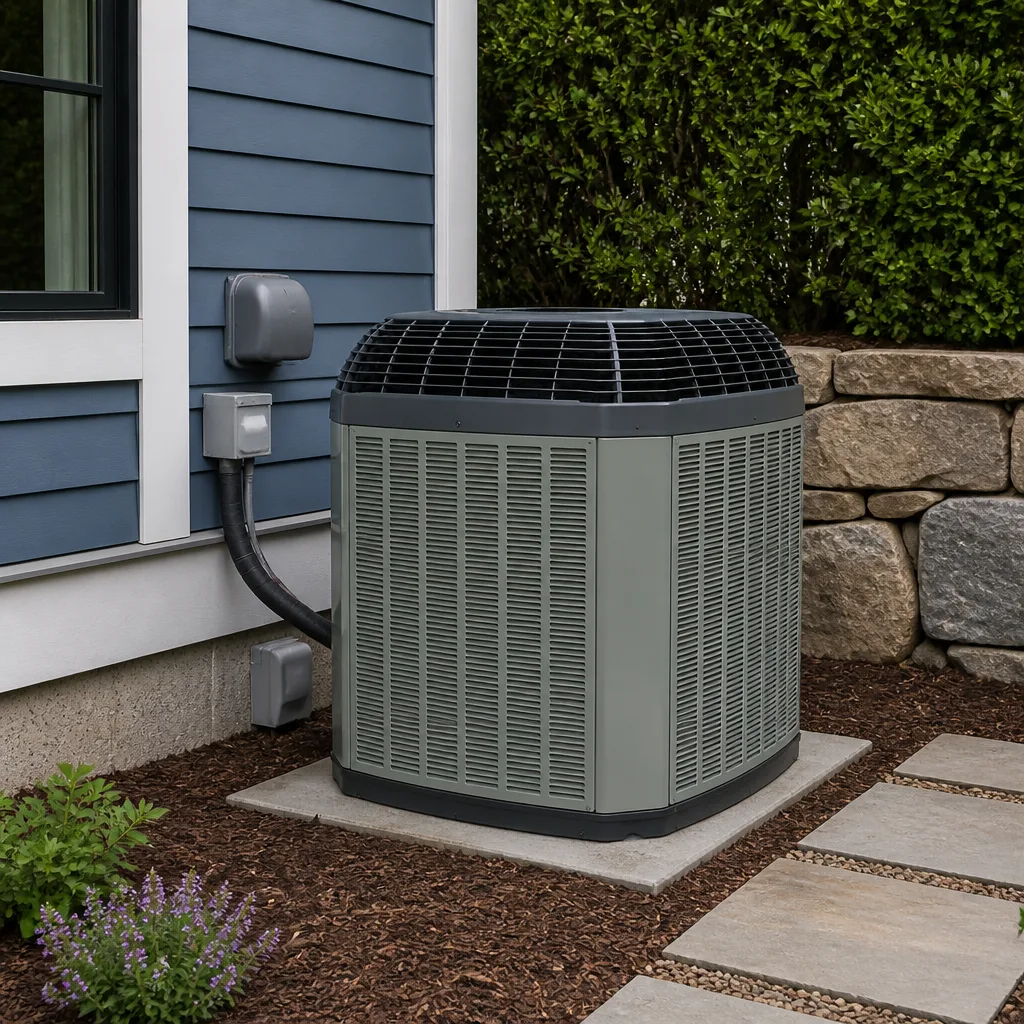 Trane
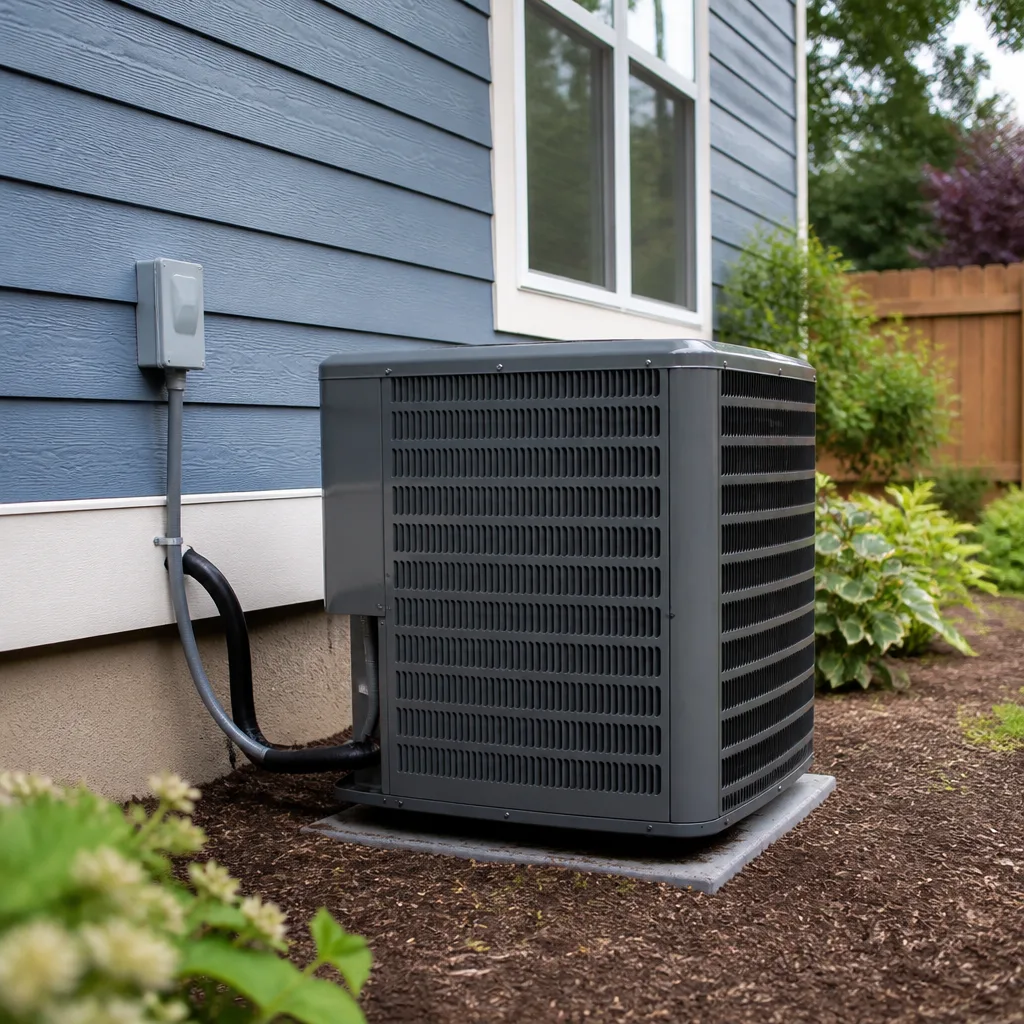 Goodman
Seasonal tune-up and full diagnostic on your Carrier, Trane, or Goodman system - readings shown to you before any repair is proposed
Diagnosis first, numbers second - you approve the repair price before a single part goes in.
Get your free estimateHVAC Emergency Preparedness Guide for Palm Bay Homes
Most homeowners think an HVAC emergency is bad luck. In Palm Bay, it’s usually bad timing. Cooling failures cluster in the first real heat wave of June, storm damage arrives in a burst after a hurricane, and the rare hard freeze catches gas furnaces that haven’t run since February. These are predictable windows, and they’re exactly when contractor capacity collapses. The homeowners who come through them calm, cool and without a premium bill aren’t luckier. They’ve done a few things ahead of time. This guide walks through the pre-season moves, the triage sequence for a dead system in a heat event, how to describe storm damage over the phone, and what “emergency HVAC service” honestly means in Brevard County. Read it once now, before you need it.
Quick Answer
An HVAC emergency in Palm Bay is best handled by preparing in advance rather than reacting at the moment of failure: document your system’s make, model and service history, establish a relationship with a licensed HVAC contractor before something breaks, and keep a spare run capacitor on hand. When a system does fail, triage it by household risk (infants, elderly family members and anyone with a heat-sensitive medical condition come first), cool one room with a window unit or portable cooler, and call a contractor with the model number and a clear description of the symptom ready. In Brevard County, storm-driven service backlogs are the norm, so pre-season preparation is what separates a same-day repair from a two-week wait.
Styles & brands we work with
- AC repair
- Furnace & heating
- Heat pumps
- Ductless mini splits
- Carrier
- Trane
- Goodman
Table of Contents
- The Three Pre-Season Actions That Change Everything
- When Your AC Fails During a Palm Bay Heat Event: A Step-by-Step Triage
- How to Assess HVAC Storm Damage Before a Contractor Arrives
- What “Emergency HVAC Service” Actually Means in Brevard County
- Cold-Snap Readiness: Gas Furnaces and Heat Pumps After a Long Idle
- Why Contractor Capacity Collapses After a Storm (and How to Beat It)
- What to Keep on Hand for an HVAC Emergency
- When to Call a Professional
The Three Pre-Season Actions That Change Everything
The single biggest lever on how an HVAC emergency goes is what you did before it happened. Three actions matter more than anything else, and none of them requires a contractor on the property.
1. Build a documented system baseline. Write down the brand, model number, serial number and install date for your outdoor condenser and indoor air handler. Photograph the data plates. Note the filter size and the last time you changed it, plus any refrigerant type listed on the unit. Store this on your phone or in a cloud note so it survives a power outage. When you call for help, a technician who knows the unit is, say, an American Standard or Bryant system can bring the right parts on the first trip instead of making a diagnostic visit and a second trip. That single difference is often the space between a same-day fix and a multi-day wait.
2. Establish a contractor relationship before you need it. Call a licensed HVAC company in the off-season, have the system checked, and keep the written report. When a heat wave hits and every phone is ringing, established customers go to the front of the queue. This is true in Palm Bay and everywhere else. A relationship also means you can describe your system accurately and someone already has the service history.
3. Keep a spare run capacitor on hand. The run capacitor is one of the most common no-cool failure points on a residential condenser, and a failed one means the compressor won’t start. A licensed technician can confirm your capacitor’s ratings and you can keep a compatible spare. It’s a small, inexpensive part that turns a days-long wait into a same-day repair if it’s the culprit. Don’t replace it yourself unless you’re trained and the power is confirmed off; let the technician do the swap.
None of these is glamorous. Together they cut emergency cost and wait time more than any single recovery tactic.
When Your AC Fails During a Palm Bay Heat Event: A Step-by-Step Triage
A cooling failure in the middle of a heat wave is a household safety issue, not just an inconvenience. Triage in this order.
- Check the simple things first. Confirm the thermostat is set to cool and the fan is on auto, the indoor breaker for the air handler and the outdoor disconnect are both on, and the filter isn’t clogged. A tripped breaker is the most common “dead system” that isn’t actually a repair.
- Rank household risk. Infants, older adults, and anyone with a heat-sensitive medical condition are the priority. If any of them are in the home and indoor temperature is rising, treat it as urgent and move them to a cool room or another location first.
- Watch indoor temperatures. Use a thermometer in the main living area. When indoor temperatures climb toward the high 80s to low 90s, especially with high humidity, you’re no longer just uncomfortable. People with heart, lung or kidney conditions, and older adults, are at risk well before that. If anyone in the home feels dizzy, confused or stops sweating, that’s a medical concern, not an HVAC one. Call for help.
- Cool one room, not the whole house. A single window unit or portable cooler in the smallest, most central room keeps one space genuinely cool and gives everyone a place to sleep. Close off the rest of the house, keep blinds drawn during the day, use fans to move air, and cook and shower early rather than during peak heat.
- Call with specifics. Give the model number, the symptom (won’t start, blows warm, trips the breaker, ice on the line), and how long it’s been down. That description lets us bring the likely parts rather than guessing.
In Palm Bay, the June-through-September stretch is when indoor temperatures rise fastest because the humidity holds heat. A single-room cooling plan and an early call are what protect your household through a multi-day backlog.
How to Assess HVAC Storm Damage Before a Contractor Arrives
After a hurricane or severe storm, a quick, safe walk-around lets you describe the damage accurately over the phone, which shortens the repair and helps avoid an unnecessary diagnostic trip. Look, don’t touch.
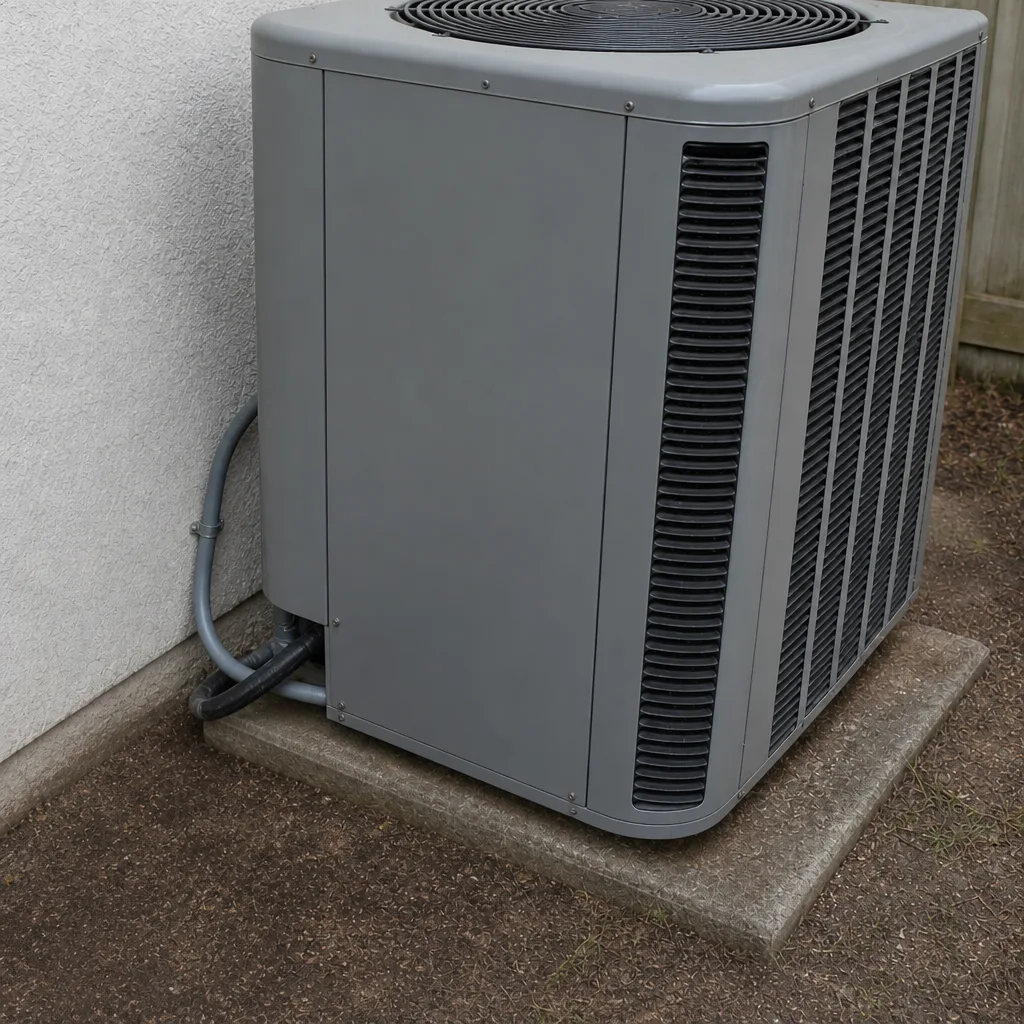
Check the outdoor condenser for displacement. Storm winds and flying debris can shift or tip a unit, which strains refrigerant lines and electrical connections. Note whether the unit is sitting level and whether the pad beneath it is intact. Next, look at the refrigerant lines running from the condenser to the house. A bent, kinked or visibly separated line means a refrigerant leak, and running the system in that condition can damage the compressor. Then check the electrical side: a tripped breaker, the outdoor disconnect pulled out or hanging loose, and any water intrusion at the electrical panel or disconnect. Never reset a breaker on a unit that’s been submerged or flooded. Never put your hands near the condenser fan or open a panel. If the unit was underwater, leave it off and call.
Write down what you see in plain terms: “unit is tilted about 20 degrees, refrigerant line is kinked at the wall, no visible electrical damage” tells a technician far more than “the AC is broken.” That kind of description is what lets a dispatch get the right parts and time allocated. If you’re filing an insurance claim for storm damage, photographs of the unit before anything is moved are worth taking.
Once storm damage is described, the next step is scheduling. Fast dispatch from 7am to 7pm, Sunday through Friday, means storm calls get worked in the order they come in, and the earliest accurate call wins.
What “Emergency HVAC Service” Actually Means in Brevard County
The phrase “emergency HVAC service” gets used loosely, and it pays to understand what it can legally and practically mean.
The most honest answer is that emergency HVAC service in Brevard County varies by contractor. Some companies advertise 24/7 availability but really mean a phone line that’s always answered and a technician on a normal dispatch schedule. Some companies run genuine overnight staffing for urgent calls. Others are simply out of reach after hours. The days and hours a contractor actually dispatches crews are the thing to ask about before you’re in a crisis. That’s why we’re clear about ours: we answer the phone 24/7, and fast dispatch runs from 7am to 7pm, Sunday through Friday, closed Saturday. A call outside dispatch hours is booked into the next opening. Knowing that ahead of time is worth more than a vague promise.
“On-call” is another term worth pinning down. When a contractor says a technician is “on call,” that usually means a person is reachable for urgent issues on a staggered schedule, not that a fully staffed crew is standing by at every hour. Ask directly: if my AC dies at 2am in July, what actually happens? A straight answer tells you how the company works.
If you’re searching “HVAC emergency Palm Bay FL,” the practical move is to identify a licensed contractor now, confirm their dispatch hours, and save the number. Florida HVAC contractors are licensed through the state, so you can verify a license before you ever need a repair.
Cold-Snap Readiness: Gas Furnaces and Heat Pumps After a Long Idle
Palm Bay winters are mild, but “mild” isn’t “never.” A real cold snap will hit, and it tends to expose systems that sat unused for months. The failure modes are specific, and they’re worth checking before the first cold night.
Gas furnaces often fail on the first cold start for predictable reasons. The most common is a clogged or dirty flame sensor, which shuts the furnace down on a safety lockout. A failed igniter is the next suspect. A blocked condensate line (on high-efficiency units) and a pilots or pilot assembly issue on older units also show up after months of no use. A furnace that’s been off since last winter gives no warning until the cold arrives.
Heat pumps fail differently. A heat pump that’s been in cooling-only mode all summer can develop a reversing valve problem or a defrost board fault when it switches to heating. The first indication is often a unit that runs but blows cool air, or a system stuck in defrost.
If your furnace or heat pump hasn’t run since last winter, a furnace repair check before the first cold snap is worth the call. Better still, get a pre-winter inspection done in the fall. If you’re in the market for a replacement furnace, that decision is easier to make calmly in autumn than in a cold snap with a house full of family.
Why Contractor Capacity Collapses After a Storm (and How to Beat It)
When a hurricane knocks out cooling across Brevard County, demand spikes instantly while contractor capacity is fixed. Every company has a finite number of trained technicians. Emergency and priority calls consume them first, and routine or non-emergency service waits. This is why post-storm waits can stretch for weeks for anything but true emergencies.
A few things help you beat that crunch:
- Pre-season service keeps your system running when storms hit. A clean, well-maintained system is less likely to fail.
- Existing relationship puts you ahead of strangers in the queue.
- Accurate description means fewer trips and faster fixes for everyone.
- Spare parts like a run capacitor remove the most common single point of failure.
- One call for heating and cooling means you’re not juggling contractors for both sides of the system.
This is also where a specialist helps. Flagship AC Repair works only on HVAC: AC installation, furnace repair and furnace replacement. Our technicians have up to 10 years of experience and are trained across nine major brands, including Carrier, Trane and Bryant. Being brand-agnostic means recommendations are based on fit and budget, not on what a distributor wants to move. That combination is what makes Flagship AC Repair a name to have saved in your phone before the storm, not after. Read more about ac installation if you’re weighing a replacement after a failure.
What to Keep on Hand for an HVAC Emergency
A small kit takes the edge off an emergency. Keep it in a closet with your system documents.
- Your system’s brand, model and serial numbers, photographed and stored on your phone.
- A spare run capacitor sized for your condenser (confirm the rating with a technician).
- A clean filter in your system’s size, not a dozen out-of-date ones.
- A thermometer to track indoor temperature during a heat event.
- A single window unit or portable cooler, tested before summer.
- The number of a licensed HVAC contractor, saved in your contacts.
Test the window unit in spring so you’re not discovering it’s dead in an outage. Keep the system documents where you can find them in the dark.
Common Mistakes to Avoid
- Waiting until the first heat wave to call. Dispatch lines fill up fast once cooling failures cluster, and established customers get ahead of you. Do a pre-season check before June.
- Resetting the breaker on a flooded unit. Never reset a breaker or restore power to a unit that’s been submerged after a storm. Call a licensed technician.
- Running a system with a kinked refrigerant line. Storm-shifted lines can leak, and running the compressor dry causes far more damage than the original problem.
- Assuming “24/7” means a crew standing by. Ask any contractor what actually happens for a 2am call, so you know before you need to know.
- Skipping the fall furnace check. A furnace that’s been off all summer can fail on the first cold night for a clogged flame sensor or a failed igniter.
- Guessing at parts. Don’t replace an HVAC component you haven’t confirmed is the problem, and never work near the fan or electrical connections with power on.
- No written baseline of your system. Without the model and serial numbers, a technician may make a second trip for parts, adding to a backlog.
See the difference
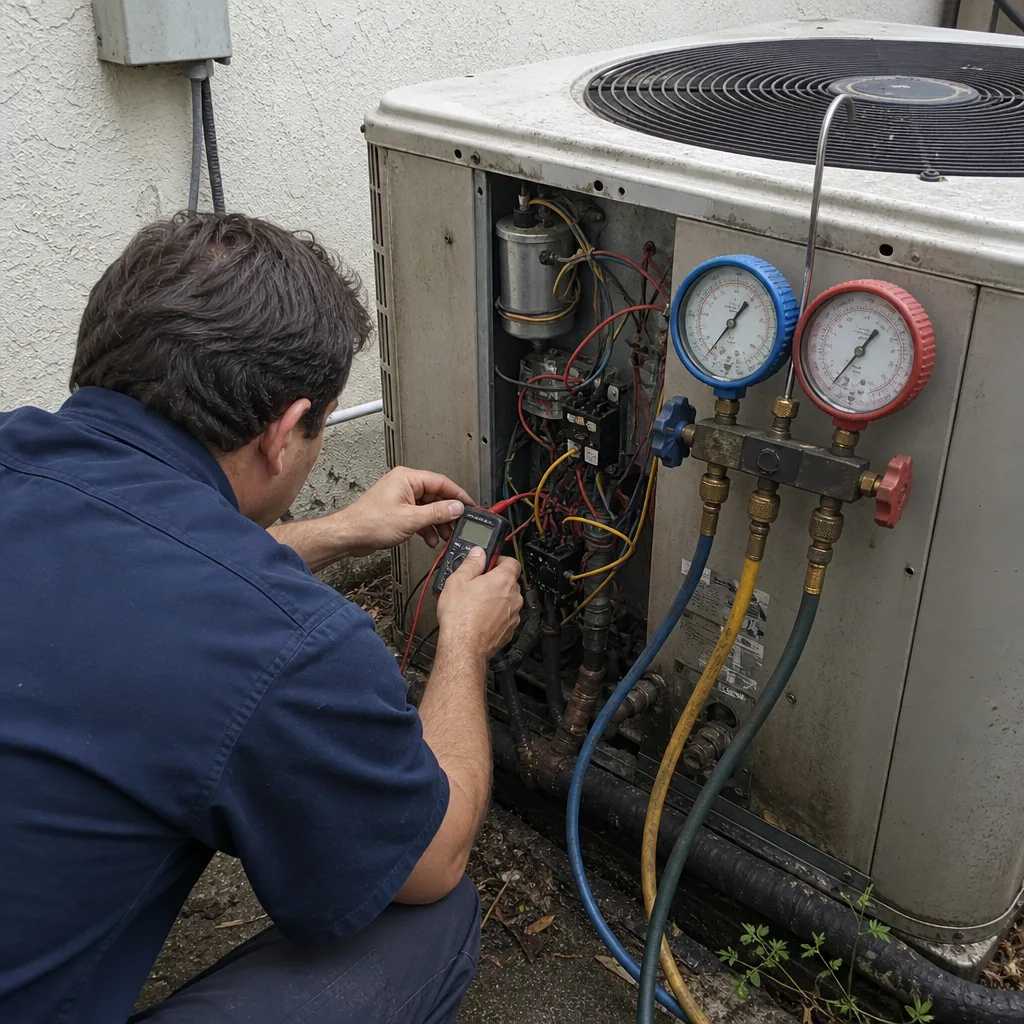 Before
 After
 Before
 After
 Before
 After
When to Call a Professional
Call a professional for any HVAC symptom that involves electrical panels, refrigerant lines, gas furnace components, or a system that’s been flooded or storm-shifted. These are not DIY-safe. Also call when a breaker trips repeatedly, when the unit runs but blows warm air, when ice forms on the refrigerant line, or when a gas odor or a furnace lockout appears. None of that is something to troubleshoot on your own. Flagship AC Repair offers free estimates in Palm Bay. Call (888) 374-9181. We answer 24/7. Fast dispatch from 7am to 7pm, Sunday through Friday.
Frequently Asked Questions
Check the thermostat setting, the indoor and outdoor breakers, and the filter first, since a tripped breaker or clogged filter is the most common no-cool cause. If nothing obvious turns up, call with your model number and symptom ready. Call (888) 374-9181 for an exact quote on a repair; estimates are free.
Storm damage drives demand up sharply while the number of trained technicians stays fixed, so emergency calls consume capacity first and routine service waits behind them. The best defense is pre-season service and an established relationship with a licensed contractor. Call (888) 374-9181 to set up a pre-season check; estimates are free.
It varies by contractor. Some mean a phone line that’s always answered with a normal dispatch schedule, some run genuine overnight staffing, and others simply aren’t reachable after hours. Ask any contractor what actually happens for a late-night call before you need one. At Flagship AC Repair, we answer 24/7 and dispatch fast from 7am to 7pm, Sunday through Friday, closed Saturday.
You can reset a breaker once on a unit that’s dry and hasn’t been flooded, but stop and call a professional if it trips again. Never reset a breaker or restore power to a unit that was submerged or storm-damaged. Call (888) 374-9181 for a safe diagnosis; estimates are free.
Run a fall check before the first cold night, since furnaces that sat all summer commonly fail on a clogged flame sensor, a bad igniter or a blocked condensate line. A licensed technician should check the burners and ignition system for safety. Call (888) 374-9181 to schedule a furnace check; estimates are free.
We’re trained across nine major brands, including Carrier, Trane, Bryant and American Standard. That range means we can work on the equipment you already own or help you pick the right system for your home and budget. Call (888) 374-9181 with your model number; estimates are free.
The Bottom Line
HVAC emergencies in Palm Bay are predictable: heat waves, the post-hurricane backlog, and the rare hard freeze. Prepare for those three windows and the rest gets manageable. Document your system, establish a licensed contractor relationship before you need one, keep a spare run capacitor and a tested window unit, and know exactly what dispatch hours your contractor actually runs. When a failure does hit, triage by household risk, cool one room, and call with your model number and symptom ready. Heating and cooling, handled, all from one call. That’s Flagship-level work.
Ready when you are: Call (888) 374-9181 for a free estimate. We answer 24/7. Fast dispatch from 7am to 7pm, Sunday through Friday.
Written by the team at Flagship AC Repair.