
Last updated November 15, 2026
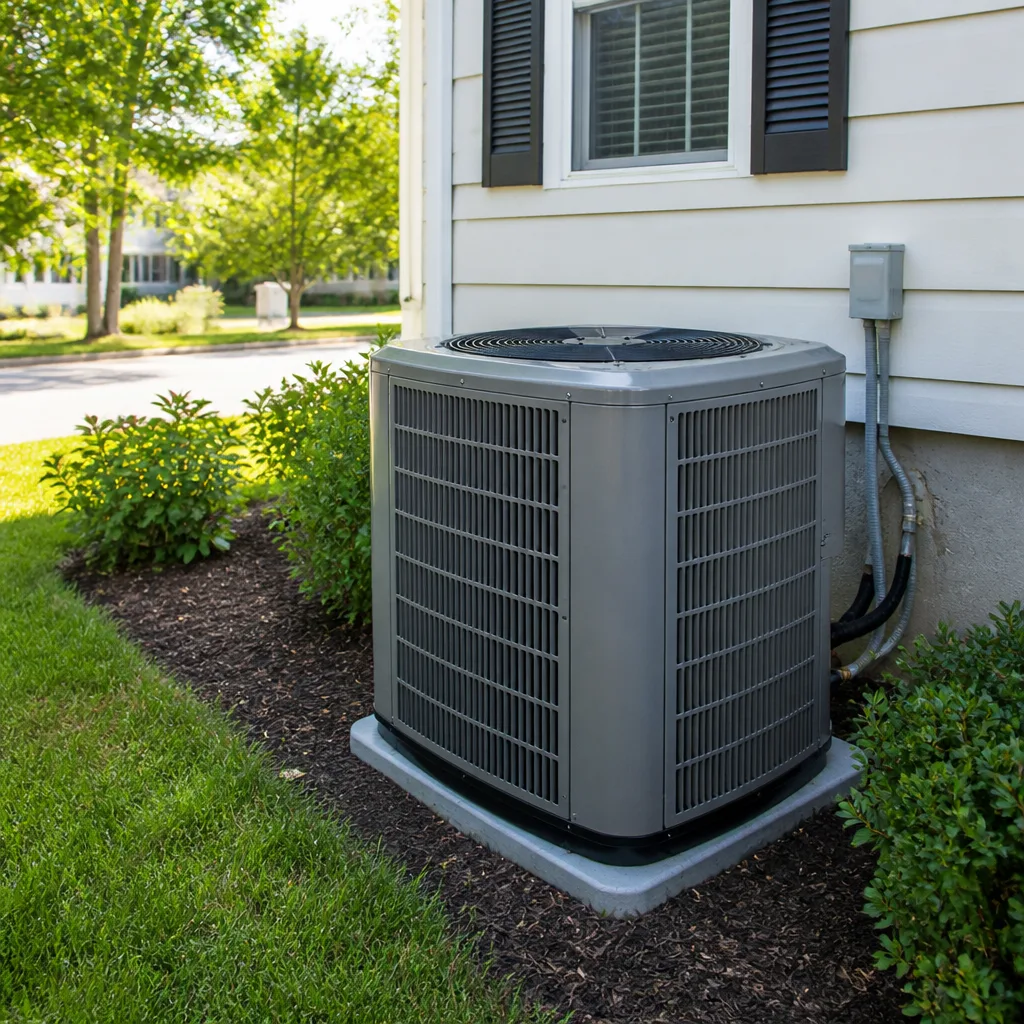 AC repair
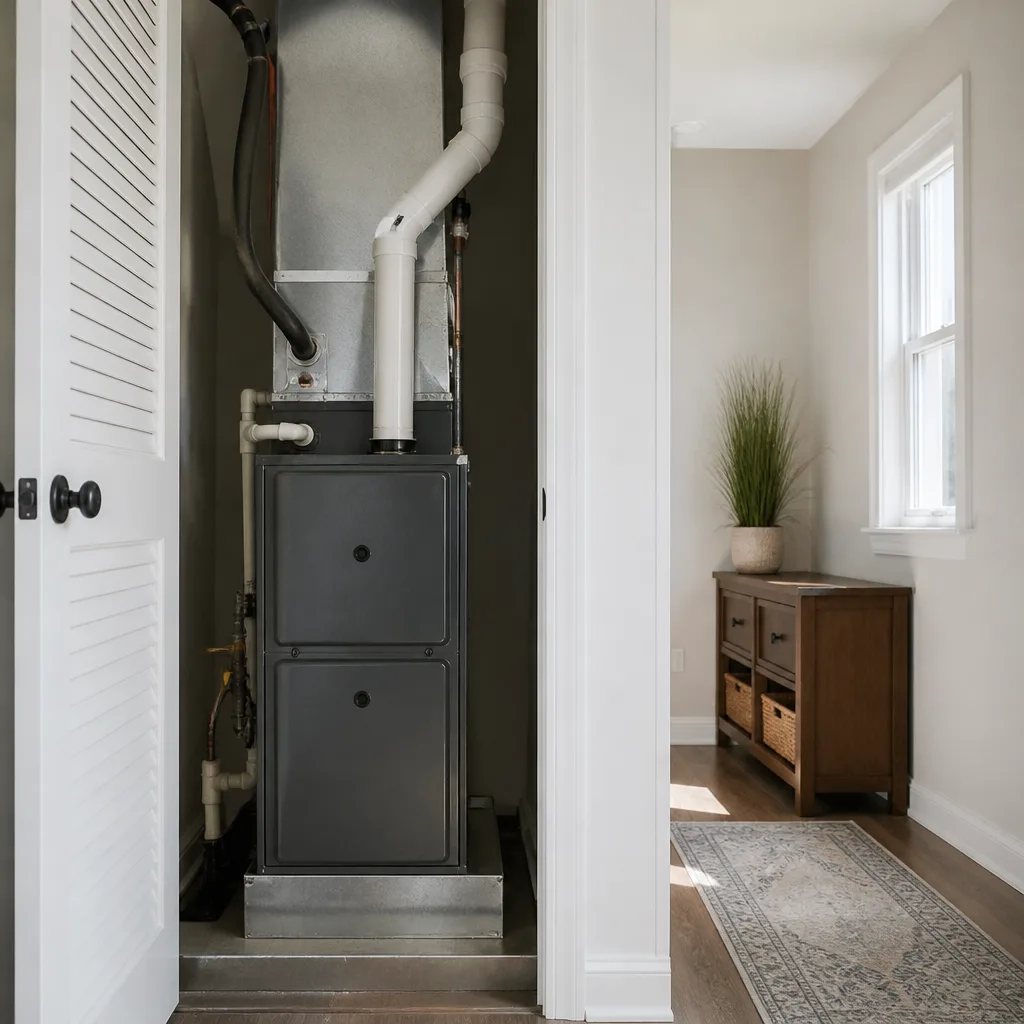 Furnace & heating
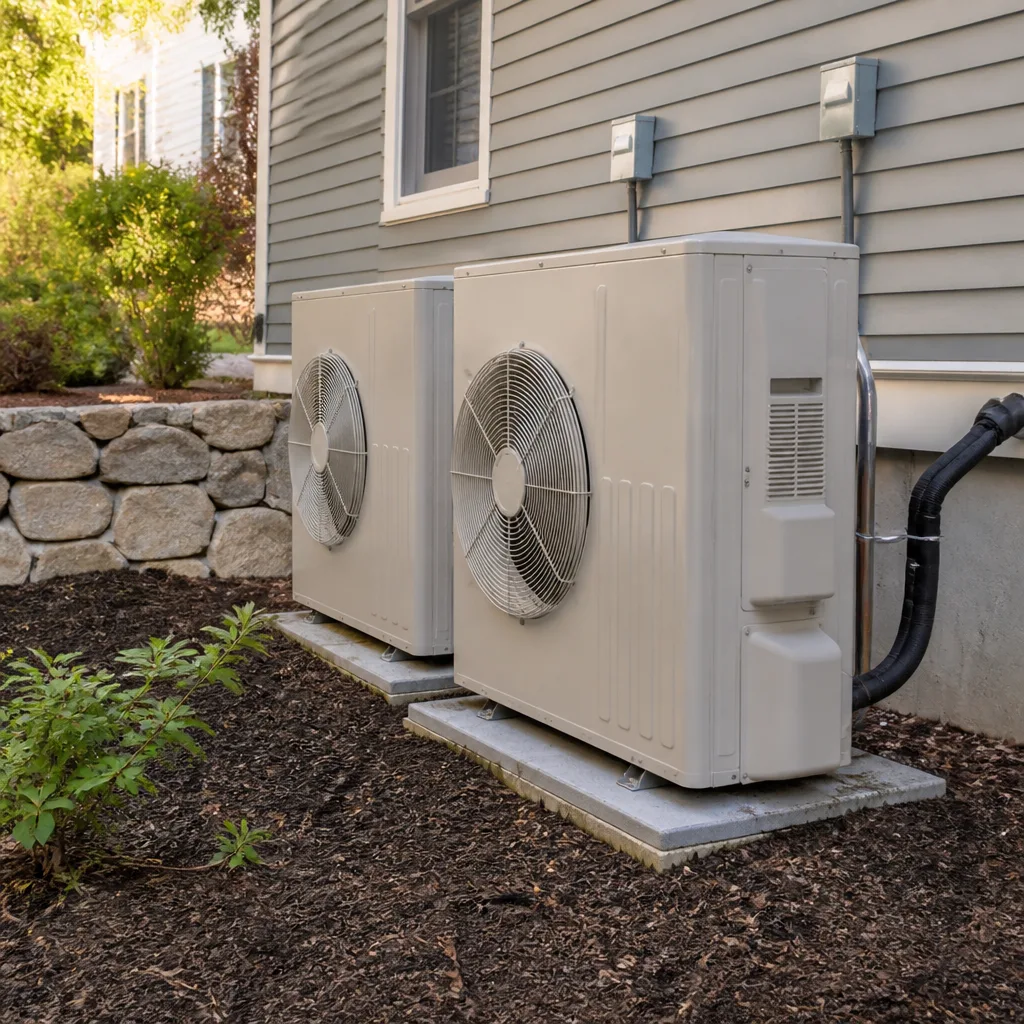 Heat pumps
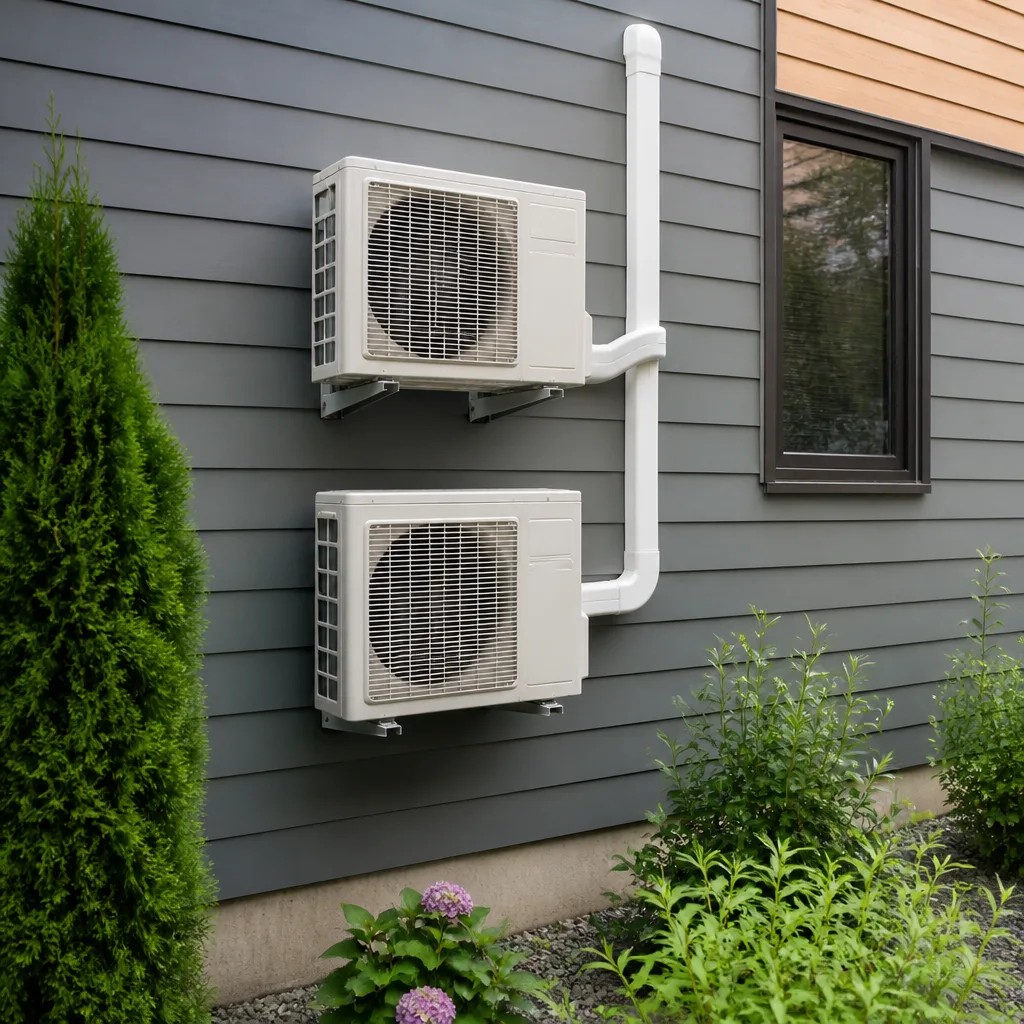 Ductless mini splits
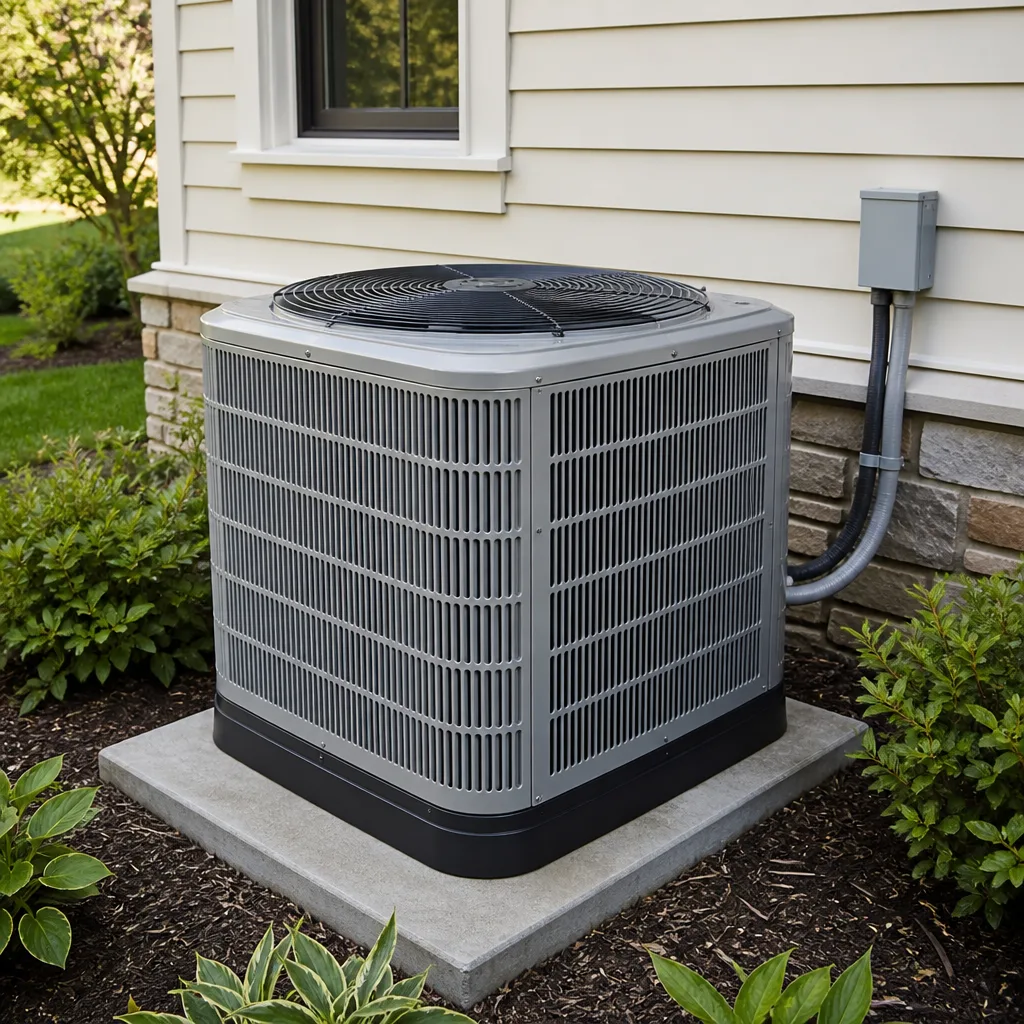 Carrier
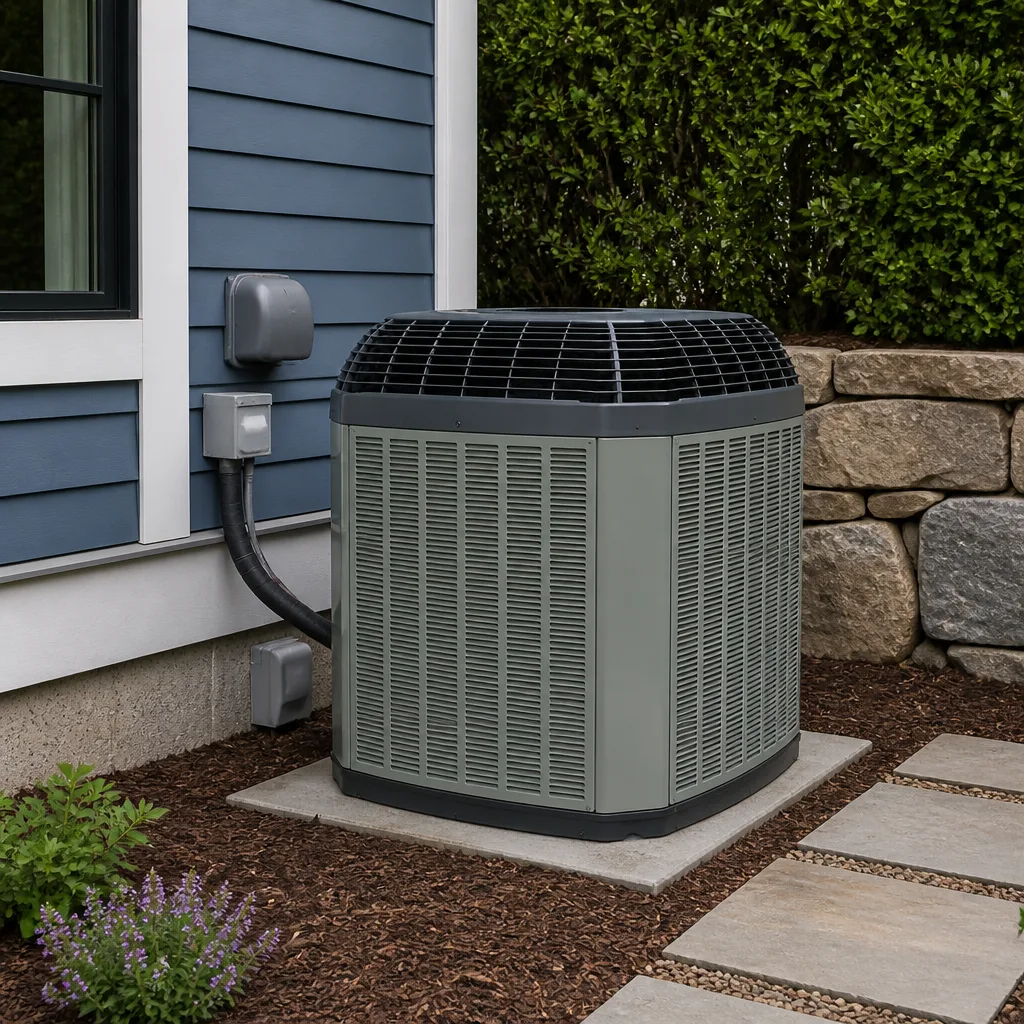 Trane
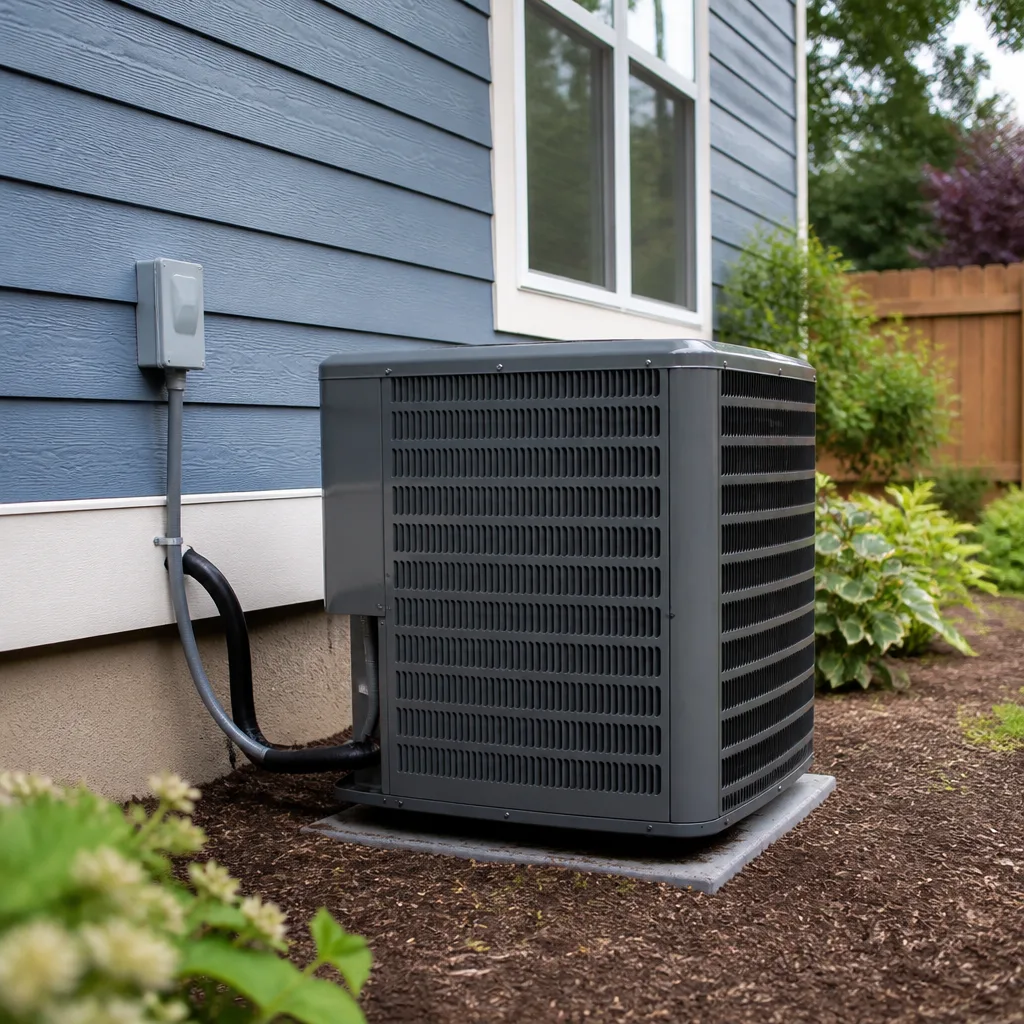 Goodman
Seasonal tune-up and full diagnostic on your Carrier, Trane, or Goodman system - readings shown to you before any repair is proposed
Diagnosis first, numbers second - you approve the repair price before a single part goes in.
Get your free estimateHVAC Warning Signs: A Palm Bay Homeowner’s Reference Guide
The warning signs most homeowners notice are the late ones. No cool air. A puddle on the floor. A system that won’t start at all. By the time those show up, you’re out of options and calling whoever answers first. The signals that actually matter arrive months earlier, and they’re quiet: a slightly longer run cycle, a house that feels clammy at the same thermostat setting, a hum you’ve started hearing through the closet door. This guide walks through those early, ambiguous signals, how to read them before they turn into a failure, and when a quick call to Flagship AC Repair is the cheapest move you can make.
Quick Answer
The earliest HVAC warning signs in Palm Bay are usually a system that short-cycles in less than 5 minutes, indoor humidity that climbs above 60 percent even when the thermostat is satisfied, comfort that varies room-to-room, and unusual electrical hums or chatter from the outdoor unit. None of these mean your system is dead. They mean it’s working harder than it should, and calling us for a free estimate now is far cheaper than a compressor replacement later. Flagship AC Repair is a Palm Bay HVAC specialist, and we work on Carrier, Trane, Lennox, Goodman, Rheem, York, Daikin, Bryant, and American Standard systems.
Styles & brands we work with
- AC repair
- Furnace & heating
- Heat pumps
- Ductless mini splits
- Carrier
- Trane
- Goodman
Table of Contents
- Short-Cycling: The Signal That Hides in Plain Sight
- Why Humidity Rises Before Temperature Does
- What Odors Tell You About Your System
- The Stopwatch Test: Measuring Efficiency Without a Gauge
- Electrical Sounds Palm Bay Homeowners Explain Away
- Airflow Symptoms You Can Feel, Not See
- Gas Furnace and Heat Pump Signals You Shouldn’t Ignore
- When to Call a Professional
Short-Cycling: The Signal That Hides in Plain Sight
A system that starts, runs for a few minutes, shuts down, and starts again five minutes later is short-cycling. To the homeowner, it’s easy to dismiss because the air coming out of the vents is still cold. But short cycles mean two things are happening at once: the system is failing to run long enough to pull moisture out of the air, and the compressor is starting up far more often than it was designed to. Both cost you money and shorten the life of the machine.
Two very different causes
Short-cycling has two main families of cause, and they lead to different repair paths. Knowing which one you’re dealing with changes what to expect.
- Oversized equipment (a sizing problem). If the unit has short-cycled since the day it was installed, it’s likely oversized for the ductwork or the load. In Palm Bay, systems installed before a room addition or a duct change are common culprits. A unit that’s too big cools the space quickly, then sits idle, then starts again. It never runs long enough to dehumidify.
- Refrigerant loss or a failing component. If the system ran fine for years and started short-cycling recently, the cause is almost certainly mechanical. Refrigerant charge loss, a weak capacitor that can’t hold the compressor start, or a failing contactor will all cause a cycle that trips off early. These are the ones you want to catch fast, because they stress the compressor every time they happen.
How to tell the difference
Ask one question first: has the system always done this, or is this new? If it’s always, you’re looking at a sizing problem and the fix is a load calculation backed by Manual J or a duct redesign. If it’s new, it’s a component issue and needs a service visit. Palm Bay’s hot afternoons push cooling demand to its peak, so any small weakness shows up first in the afternoon. If you notice short cycles clustered between 2pm and 6pm in summer, that’s your cue.
For homeowners facing a sizing decision, we recommend speaking with a specialist who handles AC installation and can run the sizing math on your home rather than guess. Flagship AC Repair works on York, Daikin, Bryant, and American Standard equipment, and we don’t push a brand for our own margin. The right system for your home is one sized to your actual load, not one sized to whoever’s truck is easiest to dispatch.
Why Humidity Rises Before Temperature Does
In Palm Bay’s climate, humidity is often the first measurable sign that something is failing inside the air handler. Most homeowners check the thermostat, see 74 degrees, and conclude everything is fine. But if the indoor humidity has crept from 45 percent to 60 percent, the system is failing to remove moisture, and that failure has a short list of likely causes. None of them fix themselves.
What pulls the moisture out
The evaporator coil is the cold surface inside your air handler. Air moving across it condenses, and the water drips down into a pan and out through the condensate drain. When the coil or the drain is compromised, three things happen in sequence:
- Airflow across the coil drops or bypasses part of the coil, so less moisture condenses out of the air.
- Run time shortens (or the fan runs when the compressor isn’t cooling), so the coil can’t stay cold long enough to wring water out.
- Indoor humidity climbs without the thermostat ever showing a problem, because the temperature is still met.
Three causes to check first
- A dirty evaporator coil. Dirt insulates the coil, so its surface doesn’t get cold enough to condense effectively. If your filters have gone more than the manufacturer’s recommendation, have a technician inspect the coil.
- A clogged condensate drain. If the drain pan or line clogs, water backs up, and many systems are wired to shut down before it overflows. A system that shuts off mid-cycle and won’t restart is worth checking from the drain side first.
- The wrong fan setting. If the thermostat’s fan is set to “On,” the blower runs continuously, blowing moisture back into the air off a coil that’s not cold. Set it to “Auto” and watch the humidity for a few days.
Palm Bay homes with a slab foundation and engineered ductwork running through the attic see this problem more than most, because the air handler is in a hot space and the duct runs are long. A humidity reading above 60 percent for several days with the thermostat satisfied is the earliest sign of an evaporator coil or drain issue we see. If that’s where you are, don’t wait for a freeze-up in August.
What Odors Tell You About Your System
Smells are the least scientific sign and the most important one to act on. Some odors are a normal service call. Two categories are not, and the difference depends partly on whether you have a gas furnace or a heat pump.
Gas furnace odors
- Rotten egg smell. That’s the mercaptan in natural gas or propane. Leave the building. Don’t flip a light switch, don’t call from the utility room, and don’t try to shut anything off yourself. Call your gas utility from outside, then call us for furnace repair once the utility clears the line. This is a safety call, not a service call.
- Burning dust smell on first start of the season. Usually harmless, and it clears after 15-20 minutes. If it returns mid-season or smells sharp and acrid, stop using the furnace and call us.
- Exhaust or combustion smell during operation. Treat this as urgent. It can point to a venting problem or cracked heat exchanger. Stop using the system and call.
Heat pump odors
- A musty smell from the vents. Usually moisture in the return ductwork or a coil that’s staying wet when it shouldn’t. Worth a service call, not an evacuation.
- A faint “dirty sock” smell. Often a buildup on the coil or in the drain pan, especially in Palm Bay homes where the AC is the year-round workhorse and the system never gets a dry season to air out.
- Anything that smells electrical or hot plastic. Turn the system off at the breaker and call us. That’s a component overheating, and continuing to run it can turn a repair into a replacement.
One general note: refrigerant itself has a faint sweet or chemical smell at very high concentrations in the wrong conditions, but you should never count on smelling a leak. A refrigerant issue usually shows up as short cycles or a system that can’t hit setpoint on a hot afternoon. Both warrant a service call.
The Stopwatch Test: Measuring Efficiency Without a Gauge
You don’t need a set of manifold gauges to notice efficiency degradation. You need a stopwatch and fifteen minutes on a hot afternoon. The stopwatch test catches problems weeks before your FPL bill reflects them, because a system that’s lost capacity runs longer to hit the same setpoint.
How to run a stopwatch test
- Pick an afternoon when the outdoor temperature is at its seasonal peak. In Palm Bay, that’s usually mid-afternoon in July or August.
- Close all windows and exterior doors. Turn off ceiling fans in the rooms you’re testing (fans make the room feel cooler than it is).
- Set the thermostat to your normal daytime setpoint and let the system reach it before you start timing.
- Time how long the system runs to recover 1 degree after you bump the setpoint up by 1 degree. Write down the seconds.
- Do the same test on a mild morning the next week. Note the difference.
Reading the result
What you’re looking for is change over time. A system that recovered 1 degree in 12 minutes last summer and now needs 20 minutes is running at roughly 60 percent of the capacity it had. That drop is worth a service call before it becomes a no-cool call. We recommend repeating the test once a season and keeping the numbers on a note in your phone. It’s the cheapest diagnostic you’ll ever run.
What the thermostat itself can tell you
Many modern thermostats log run time. Open the app or the menu, find “system run time” or “equipment usage,” and look at the weekly total. A system running 12+ hours a day in mild weather is overworking. A system running 18+ hours in peak summer may be undersized, low on charge, or fighting a duct problem. Neither is a call you want to delay.
If your stopwatch test is showing a trend in the wrong direction and your equipment is getting on in age, that’s when it’s worth talking through repair versus replacement. We’re happy to walk through both options with numbers in front of us. Our technicians have up to 10 years of experience, and the Flagship AC Repair approach is to put the diagnosis on paper for you rather than talk you into a decision on the spot.
Electrical Sounds Palm Bay Homeowners Explain Away
Two specific sounds send more Palm Bay systems to an early replacement than almost anything else, and both are easy to write off as “normal.” One is a hum. The other is a click. Neither should be ignored.
The capacitor hum
A weak run or start capacitor struggles to hold the compressor or fan motor. When it can’t, you get a low, rhythmic hum from the outdoor unit right before or during startup. Homeowners often describe it as a hum they “didn’t used to hear.” Capacitors are among the least expensive parts in the system, but a failing one will eventually fail to start the compressor, and repeated failed starts wear the compressor out. A technician can check capacitance and replace the part in a single visit.
The contactor chatter
A contactor is the relay that engages the compressor and condenser fan in response to the thermostat. When it’s pitted, weak, or getting the wrong control voltage, you’ll hear rapid-fire clicking from the outdoor unit: click, click, click, then the fan starts or doesn’t. Homeowners in Palm Bay often describe hearing the unit “trying to start” three or four times before it finally does. That’s not normal. It’s the contactor telling you it’s on its way out. Catching it now means a service call. Catching it after the compressor fails means a replacement estimate.
Other sounds worth a call
- A screech or squeal from the indoor unit. Usually a blower motor bearing or belt wearing out. Service call.
- A metallic rattle from the outdoor unit. A loose panel or something in the fan cage. Service call.
- A grinding or repeated thumping from the compressor. Stop using the system and call us. Running it further risks the compressor.
- Buzzing from the thermostat wire or inside the wall. Turn the system off at the breaker and call us. That’s a control wiring issue and it’s not something to troubleshoot live.
Do not open electrical panels or outdoor condenser cabinets yourself. The capacitors in an HVAC system hold a charge even after power is off, and the voltages inside the panel are lethal. This is a job for a trained technician, not a Saturday project.
Airflow Symptoms You Can Feel, Not See
Airflow problems hide in plain sight because they don’t light up an error code. They show up as differences between rooms, vents that feel weaker than others, or rooms that get stuffy first and cool last. All of these are direct signals that the system is working harder than it should, and any of them can turn into a compressor or blower motor problem if left alone.
What to check, room by room
- Vents that feel weak. Hold your hand over each supply vent in the house. They should all feel roughly similar. If a few vents feel noticeably weak, suspect a duct leak, a damper out of position, or a crushed flex duct in the attic.
- Rooms that never quite cool. If it’s one room, it’s usually a duct problem. If it’s the far side of the house, it may be an undersized return or a distribution issue.
- Doors that are hard to close when the system runs. That’s a return-air problem. Your system is pulling negative pressure somewhere and needs to pull harder to keep up.
- A filter that fills in weeks. If the filter goes grey in half the time it used to, either the house is dustier or the system is running more. Either way it’s worth a look.
The filter temptation to resist
It’s tempting to buy the highest-MERV filter on the shelf to “fix” airflow. Don’t. In a system not designed for it, a high-MERV filter chokes airflow, and airflow restriction is what starts the whole cycle of freeze-ups, short cycles, and compressor strain. Palm Bay homes with attic air handlers do best with the filter the equipment manufacturer specifies. If you don’t know what that is, ask us when we’re out for another reason. It’s a two-minute question that saves a compressor.
Gas Furnace and Heat Pump Signals You Shouldn’t Ignore
Palm Bay winters are mild, and that’s exactly why furnace problems go unnoticed here. A system that runs for three weeks a year never gets a habit forming, so a homeowner who’s had the same furnace for a decade may not recognize the first signs of trouble. The good news is the failure modes are specific and checkable.
Gas furnace signals
- Yellow or orange flame instead of blue. It can mean incomplete combustion and points to a venting or air-supply problem. Stop using the system and call us.
- Short cycling in heating mode. A furnace that comes on, hits setpoint fast, and drops off repeatedly is often oversized for the ductwork or tripping a limit switch. That’s a service call.
- Cold air from vents with a warm blower motor. Usually a blower or limit switch problem. Service call.
- Any gas smell. Leave the building and call the utility first. Then call us.
Heat pump signals
- Cold air in heating mode, cold air in cooling mode. A reversing valve issue can present as the same temperature in both modes. It’s a specific diagnostic and worth a service call.
- Outdoor unit rattling or grinding in heating. Heat pumps in heating mode run the outdoor fan and compressor in reverse, so any noise in heating mode is the outdoor unit telling you it needs attention.
- Defrost cycle showing up as a hiss every 30-60 minutes. Some defrost is normal, but if defrosts are frequent and the system is losing setpoint after each one, the defrost board or sensors need checking.
When a furnace is genuinely on its last legs, replacement is often the better call than a series of repairs. Flagship AC Repair handles both furnace repair and furnace replacement, so the same conversation about repair versus replace happens with the same team. We’re not a company that prefers one answer for its own margins. We put the calculation in front of you and you decide.
See the difference
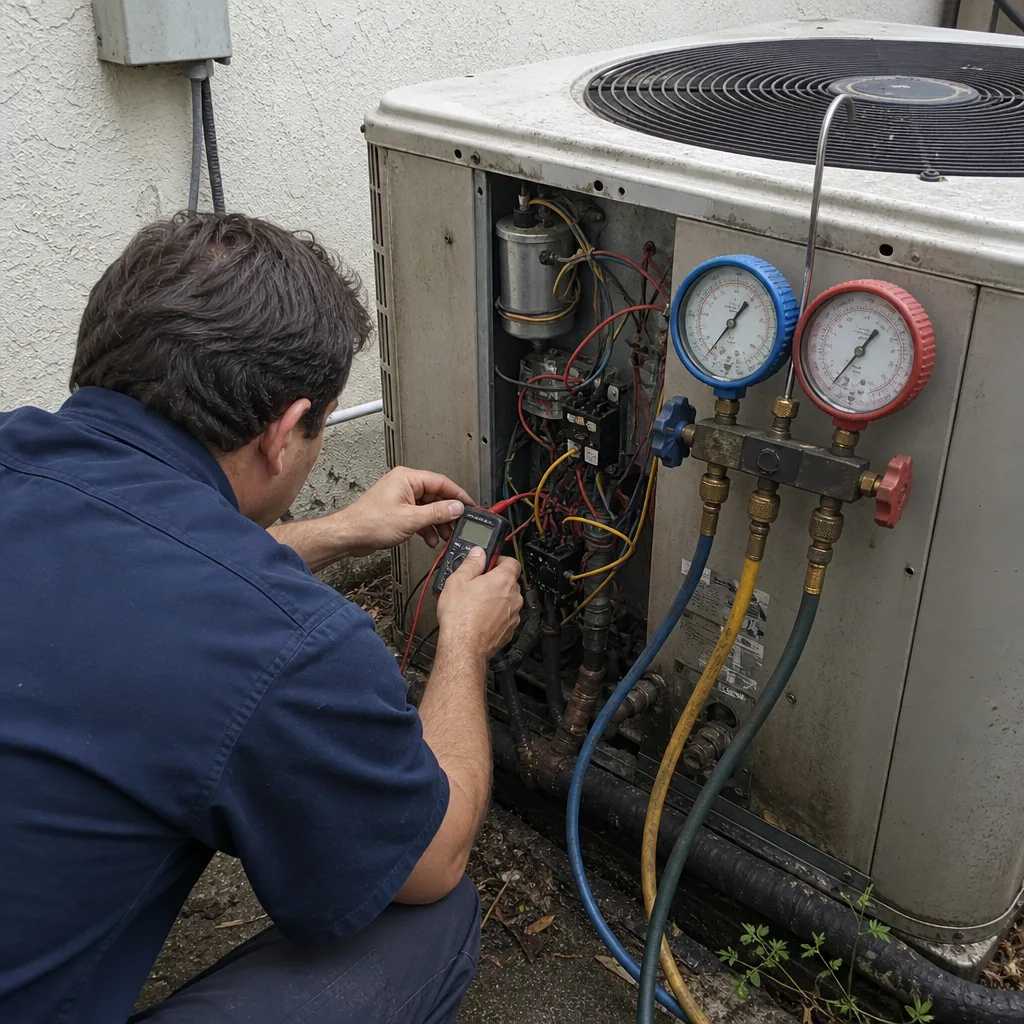 Before
 After
 Before
 After
 Before
 After
Common Mistakes to Avoid
- Waiting for a full failure before calling. A no-cool call in July is the most expensive way to learn a capacitor was failing in March. The stopwatch test and a humidity reading catch that six months earlier.
- Blaming the thermostat first. A thermostat is the least likely part to fail. Homeowners in Palm Bay often replace it once or twice before discovering the real cause was a contractor or capacitor problem. Check cycles and sounds before spending money on a new thermostat.
- Ignoring an indoor humidity number because the temperature looks fine. A house at 74 degrees and 68 percent humidity feels worse than a house at 74 and 45 percent, and the second number is the one that tells you whether the coil and drain are working.
- Topping off refrigerant and calling it done. If the system is low on charge, refrigerant went somewhere. A top-off without a leak check means you’ll be topping off again next year, and the compressor is paying for the delay.
- Buying a high-MERV filter to “fix” airflow. Restriction makes everything worse in a system not designed for it. Stick with the manufacturer’s specification unless a technician tells you otherwise.
- Buying a new system without a load calculation. Sizing a replacement by square footage or by the sticker on the old unit is how oversizing happens, and oversizing is what caused the short-cycling you were trying to fix. A proper AC installation starts with the math, not the marketing brochure.
- Diagnosing by brand instead of by symptom. A Bryant and a Daikin with the same short-cycling presentation may have entirely different causes. The equipment tells you what’s wrong, not the logo on the door.
When to Call a Professional
Call us when you notice any of these: short-cycling that started recently, indoor humidity above 60 percent for several days, a hum or chatter from the outdoor unit that wasn’t there last season, a stopwatch test showing your system runs noticeably longer than it did a year ago, a gas or combustion smell inside the house, or any electrical smells from the indoor or outdoor equipment. Those are the calls we want to get early. The Palm Bay homes we work in are unique in how hard the cooling season runs, and small signals that would be a mild warning further north turn into expensive repairs much faster here. Flagship AC Repair offers free estimates in Palm Bay. Call (888) 374-9181. We answer 24/7. Fast dispatch from 7am to 7pm, Sunday through Friday.
Frequently Asked Questions
Once a month during the cooling season is enough for most Palm Bay homes. Walk outside, listen to the unit start once, and note the sound. Check the filter. Once a season, run the stopwatch test on a hot day and compare the result to last season. Any change is worth a conversation with us before it becomes a failure.
No, but it’s always worth diagnosing. Short-cycling caused by an oversized system is a sizing issue that may be solvable with duct changes or a modulating thermostat. Short-cycling caused by refrigerant loss, a failing capacitor, or a bad contactor will worsen and can damage the compressor over time. The symptom looks the same from the sofa; only a technician can tell which one you have. Call (888) 374-9181 for a free estimate and we’ll sort it out.
Because the system is cooling but not dehumidifying, and that usually points to an evaporator coil, a condensate drain, or a fan set to “On” instead of “Auto.” In our climate, elevated humidity is often the very first measurable sign that the coil or drain side is failing. A technician can check the coil face, the drain pan, and the airflow in one visit.
It depends on the diagnosis, the age of the equipment, and how much of the repair cost goes toward a system that’s already served most of its useful life. Some signals we cover in this guide are single-part repairs (capacitor, contactor, drain pan). Others, like a failing compressor or a cracked heat exchanger, shift the math. We lay both options out with numbers before you decide. Flagship AC Repair works on Carrier, Trane, Lennox, Goodman, Rheem, York, Daikin, Bryant, and American Standard equipment, so we can compare a repair against a same-brand replacement without steering you toward a distributor’s preference.
A low, rhythmic hum from the outdoor unit right around startup that you didn’t used to hear. Contactors make a rapid clicking chatter just before the unit fires up. Both are worth a service call now rather than after the compressor has to be replaced, and neither should be diagnosed or replaced by anyone other than a trained technician, because the capacitors hold a lethal charge.
Only on the first startup after months of disuse, and only for 15-20 minutes as dust burns off. A burning smell that returns mid-season or smells sharp and acrid is not normal and warrants stopping the system and calling us. If you smell gas, leave the building and call your utility first, then call us.
The Bottom Line
The signals that matter most in a Palm Bay HVAC system arrive quietly. Short cycles that don’t quite feel like a problem. Humidity that climbs a few points a week. A hum through the closet door you didn’t used to hear. Catch them with a stopwatch and a humidity reading and a five-minute listen, and you’re already ahead of most homeowners. Ignore them because the air is technically still cold, and you’re on track for the July no-cool call we get the most. Flagship AC Repair handles heating and cooling as an HVAC-only job. One call covers it, whichever brand is on your equipment, and we’re happy to put the diagnosis and the estimate in writing before any work begins. Call (888) 374-9181 for a free estimate. We answer 24/7. Fast dispatch from 7am to 7pm, Sunday through Friday.
Written by the team at Flagship AC Repair.