
Last updated November 15, 2026
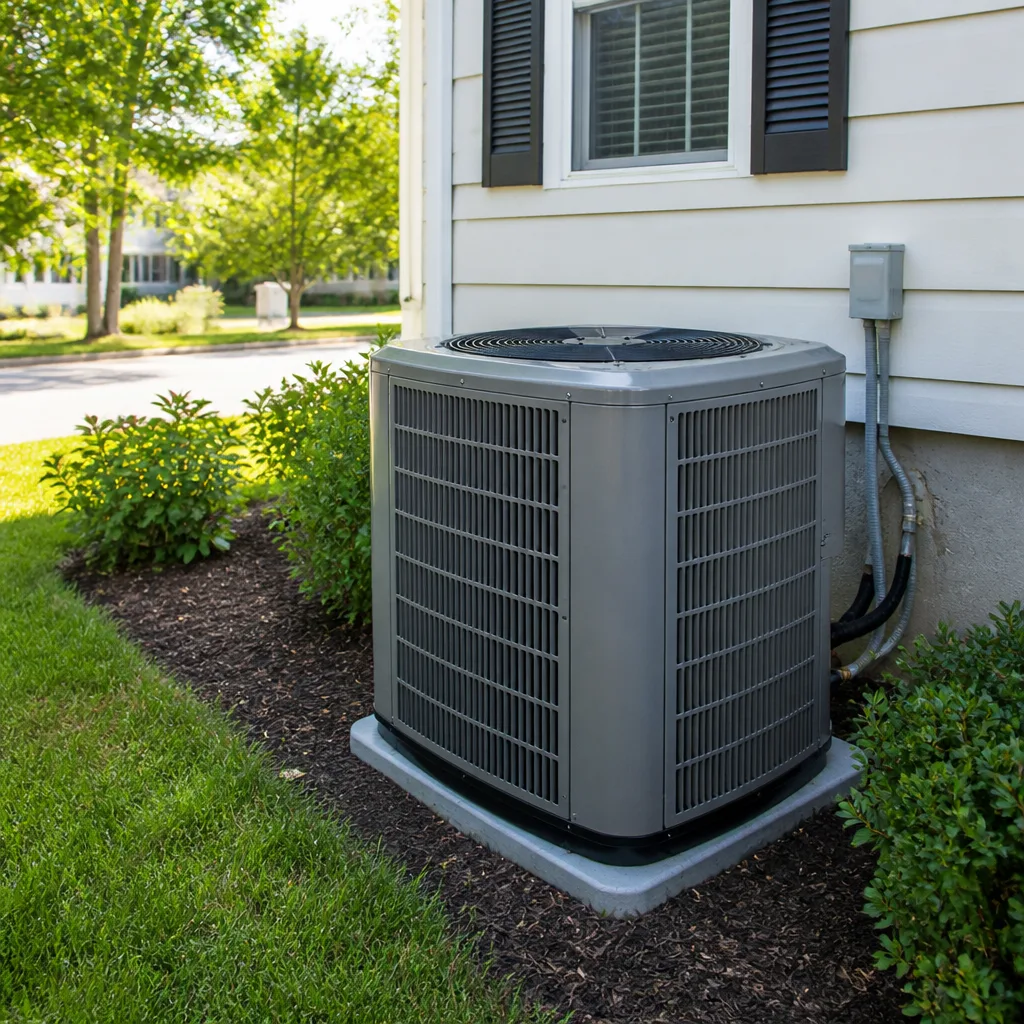 AC repair
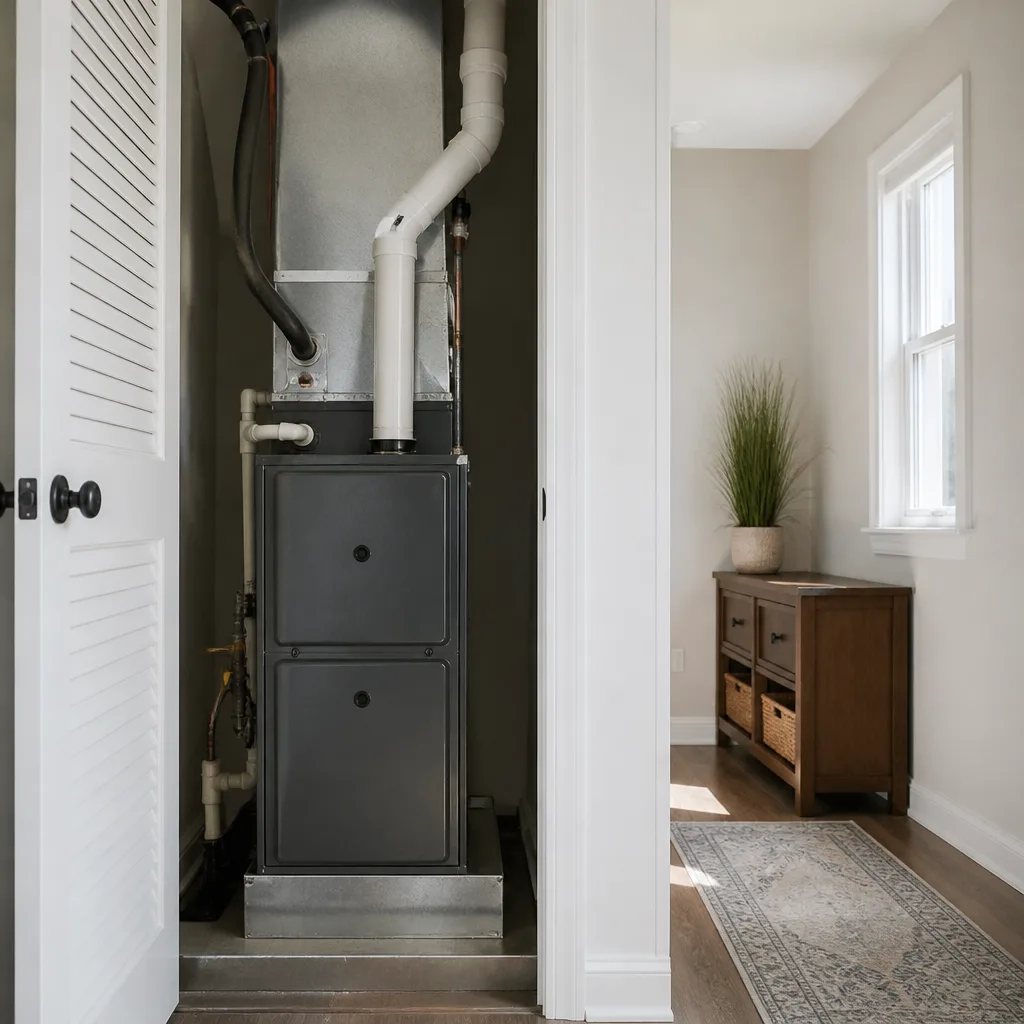 Furnace & heating
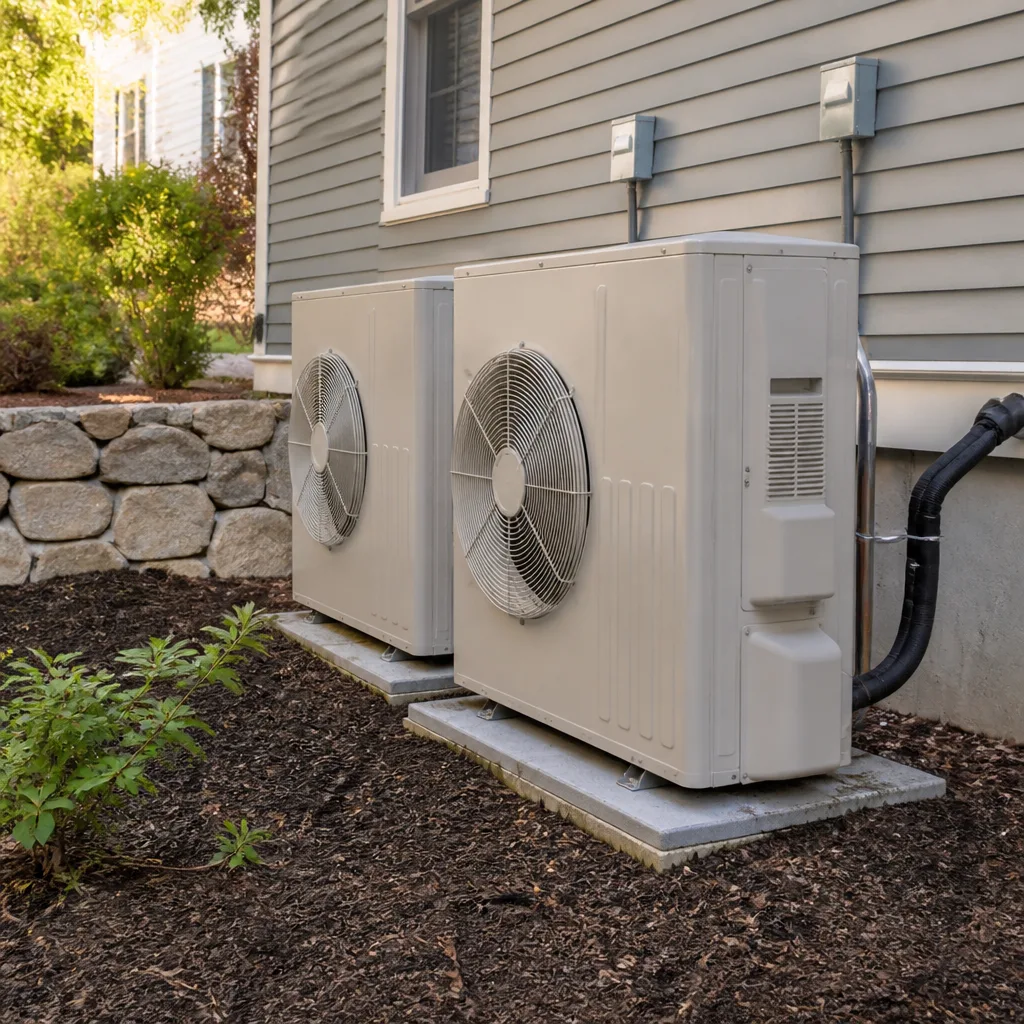 Heat pumps
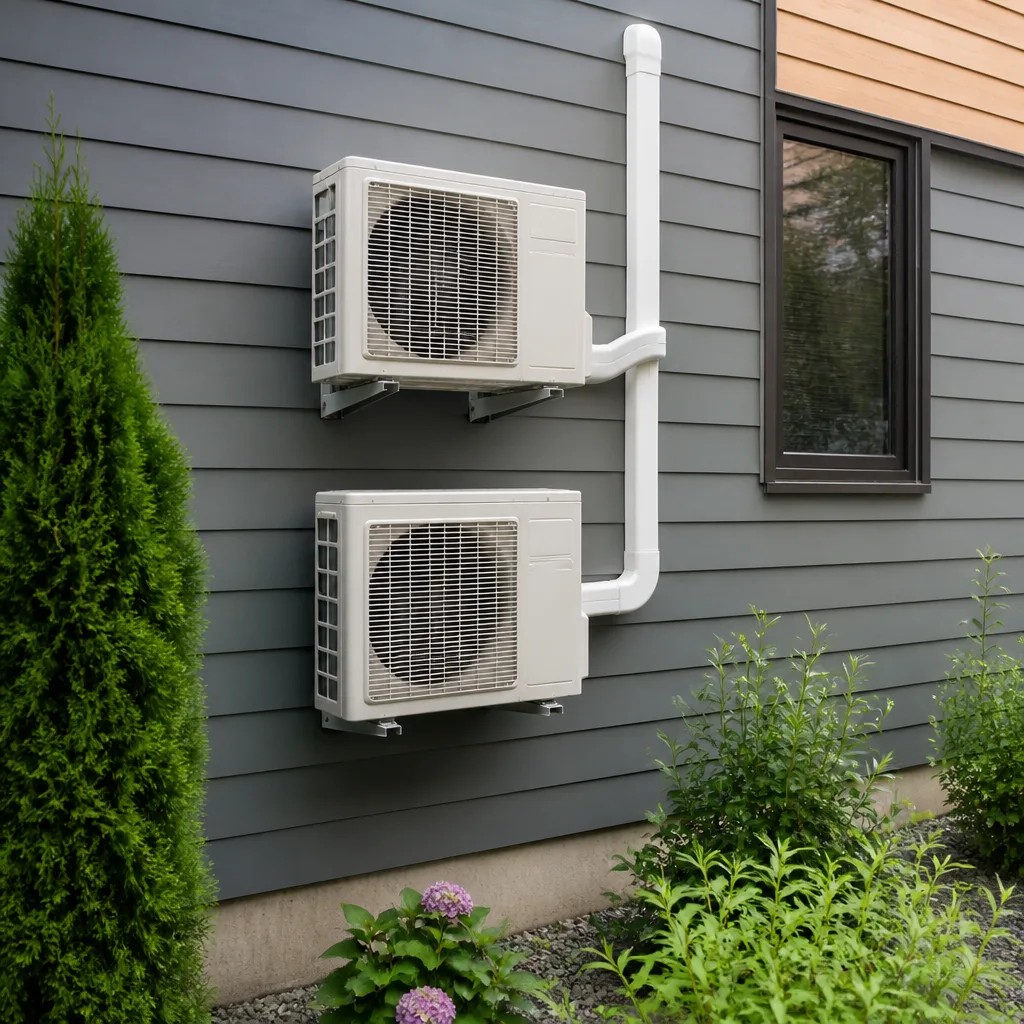 Ductless mini splits
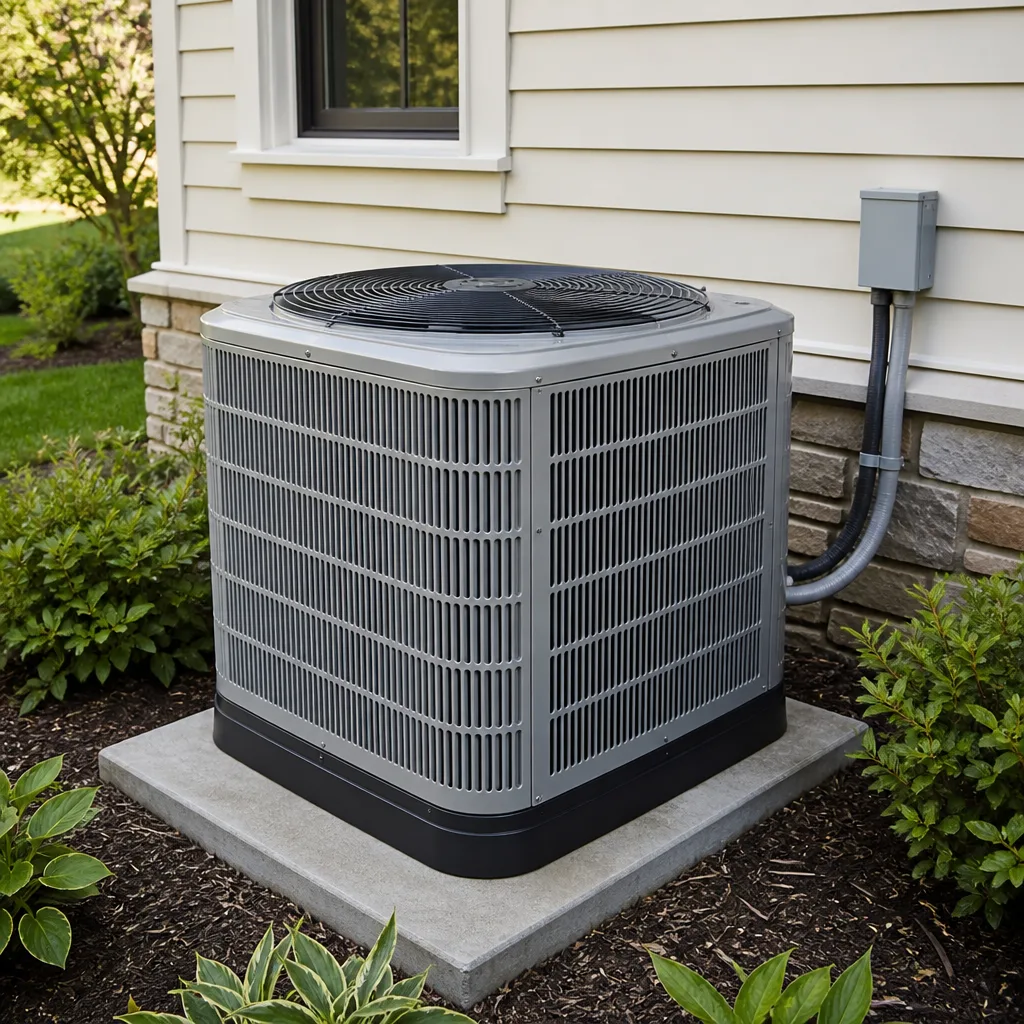 Carrier
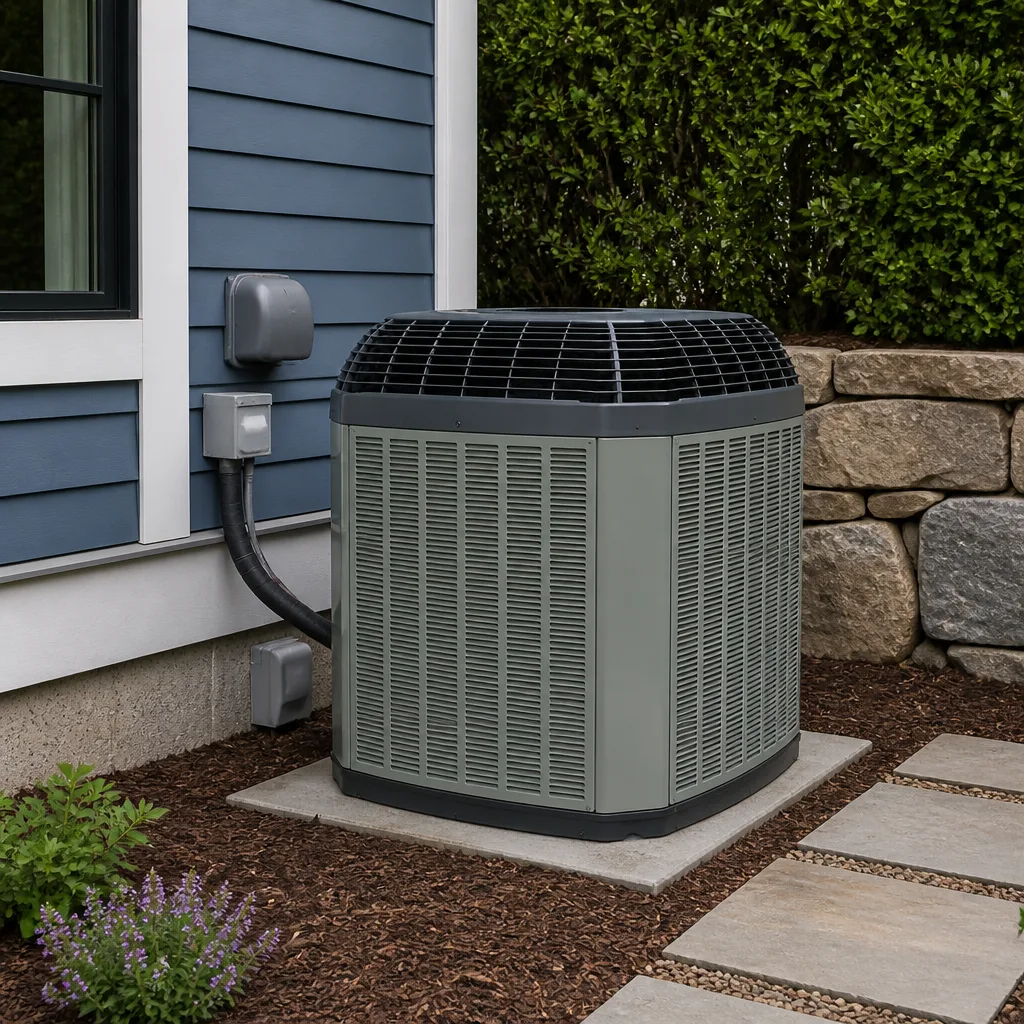 Trane
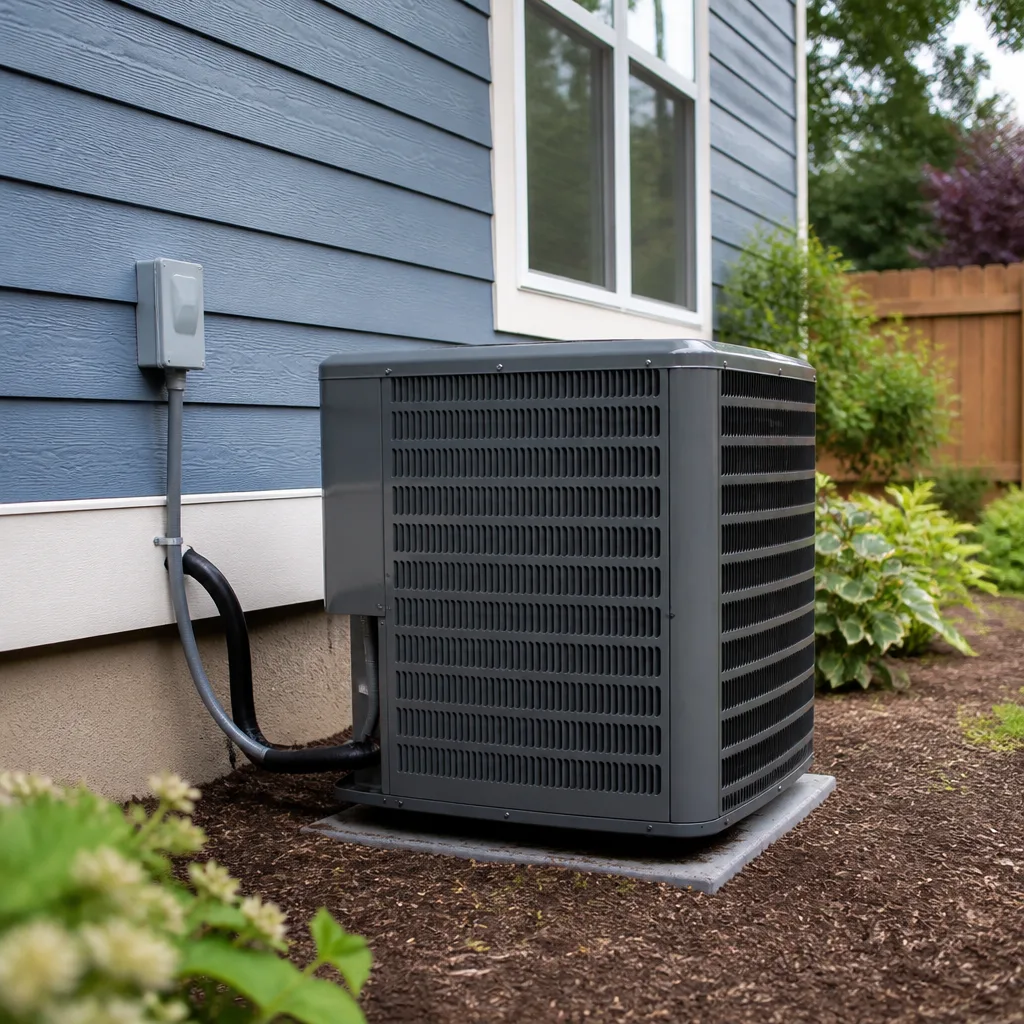 Goodman
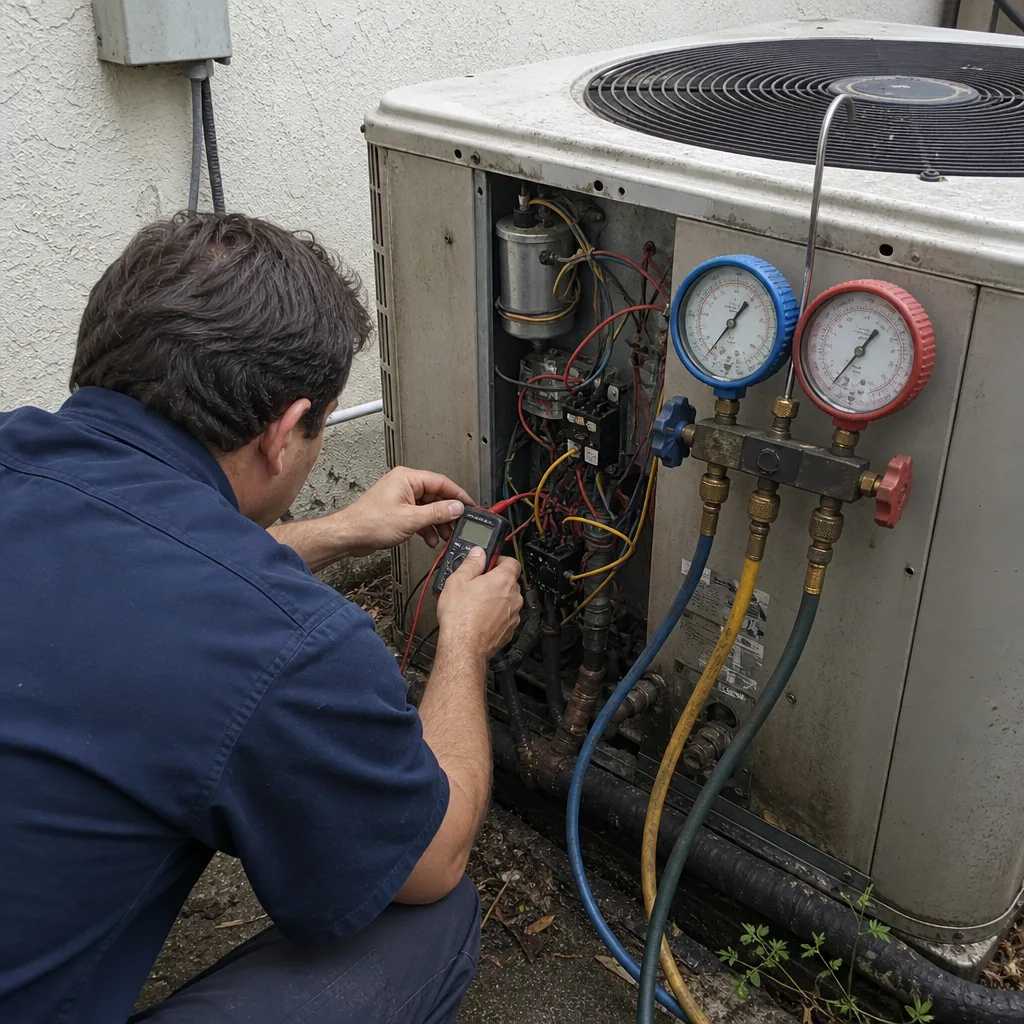
Seasonal tune-up and full diagnostic on your Carrier, Trane, or Goodman system - readings shown to you before any repair is proposed
Diagnosis first, numbers second - you approve the repair price before a single part goes in.
Get your free estimateChoosing the Right HVAC Brand: A Buyer’s Guide for Palm Bay
Here’s the part most HVAC marketing skips: every major brand manufactures units across a wide quality range, all under the same logo. A mid-tier Carrier and a top-tier Daikin can sit at the same price point, and the top-tier unit usually wins on efficiency, noise, and how long it lasts. That’s the uncomfortable truth in Palm Bay, where the equipment runs nearly year-round and gets pushed harder than in most of the country. Brand reputation alone won’t tell you which unit you’re actually buying. This guide walks through model-number decoding, local parts availability, which premium features earn their keep, and how dealer exclusivity skews the advice you get.
Quick Answer
The “best HVAC brand” in Palm Bay depends on the tier you’re buying within that brand, not the logo on the door. A top-of-the-line Goodman installed correctly will outperform a base-model Trane every time, and brand reputation matters far less than three things: who installs the equipment, whether parts are available locally through Brevard County distributors, and whether the specific features you’re paying for actually help in this climate. Our advice as a brand-agnostic contractor is to compare tiers on paper, not brands in a brochure.
Styles & brands we work with
- AC repair
- Furnace & heating
- Heat pumps
- Ductless mini splits
- Carrier
- Trane
- Goodman
Table of Contents
- Why the Tier Inside a Brand Matters More Than the Brand
- How to Decode a Model Number Before You Sign
- Local Parts Availability in Brevard County: The Real Tiebreaker
- Features Worth Paying For in Palm Bay’s Climate (and Which Aren’t)
- How Dealer Exclusivity Biases Recommendations
- Why an Independent 10-Year Warranty Often Beats a Manufacturer’s Extended Plan
- How to Request a Head-to-Head Comparison on Paper
- Common Mistakes to Avoid
Why the Tier Inside a Brand Matters More Than the Brand
Every major manufacturer builds a ladder of products, each rung sold under the same badge. At the bottom is a builder-grade or entry unit with a single-stage compressor and a basic cabinet. At the top is a variable-speed, communicating system with a coated coil and a smarter control board. The two units share a logo. They don’t share much else. When a contractor quotes you “a Carrier” or “a Trane,” the first question worth asking is which rung of that ladder you’re standing on.
In Palm Bay, this matters more than in colder climates because the AC runs long, hard hours across a cooling season that stretches nearly the whole year. The units that hold up best here tend to be the ones with better compressors, quieter fan designs, and coils that resist corrosion. Entry-tier units can still do the job, but they work harder and cycle more, and homeowners notice the difference in the utility bill and in how often the equipment needs attention.
We install equipment from nine of the most widely sold brands in North America: Carrier, Trane, Lennox, Goodman, Rheem, York, Daikin, Bryant, and American Standard. That range gives us room to be honest about the trade-offs. A homeowner who wants the quietest operation in a two-story home on Bayside Lakes might land on a higher-tier Daikin or Bryant. A homeowner replacing a contractor-grade unit on a rental property might find a top-tier Goodman hits the sweet spot. The right system for your home, not for our margins, is the standard we work to.
Here’s the practical takeaway: instead of thinking “which brand,” think “which line within the brand, and is it the right line for my house, my budget, and how I live in it.” That reframe is the single most useful thing you can do before you sign a proposal.
How to Decode a Model Number Before You Sign
A model number is a receipt of what you’re actually buying. Every manufacturer builds the specification into the letters and digits, and reading it tells you the tonnage, the efficiency tier, the refrigerant type, the compressor staging, and whether the unit is part of a matched system. If the contractor’s proposal shows a line-item model number, you have enough to verify the quote. If it doesn’t, ask for it before signing. Here’s how to read what you’re looking at:
- Find the model on the proposal, not just the brand. A proposal that says “install a Carrier 3-ton” is incomplete. You want the full alphanumeric model number of the outdoor unit and the indoor air handler or coil.
- Look at the outdoor unit’s leading digits. Most brands use them to encode tonnage and series. A number near 24, 36, 48, or 60 usually maps to 2, 3, 4, or 5 tons; the series prefix tells you entry, mid, or premium. Carrier and Bryant share parentage, so their numbering patterns rhyme. Trane and American Standard do too. Goodman and Daikin sit under the same global group and share design language.
- Check the SEER2 rating on the AHRI certificate. Florida requires a minimum efficiency that’s higher than the national baseline, so confirm the unit meets it before the quote is finalized. Ask to see the AHRI matched-system certificate for the exact coil-and-condenser pairing being installed.
- Confirm the refrigerant. New equipment sold in the U.S. today is shifting toward lower-GWP refrigerants, so ask which refrigerant the quoted system uses and confirm parts and service support exist locally for it.
- Check staging. Single-stage, two-stage, and variable-speed compressors are three very different products. A base unit and a premium unit from the same brand may both say “3-ton” while behaving completely differently under load.
If a proposal shows only the brand and the tonnage, and the contractor can’t produce a full model number on request, that’s a warning. Every legitimate quote should carry it. If you’re comparing quotes and want help reading them, AC installation is the page that walks through what a proper written proposal for this area should include.
Local Parts Availability in Brevard County: The Real Tiebreaker
Imagine it’s 7pm on a Friday in August, the compressor on a five-year-old system has failed, and the family is sweltering. What happens next is decided less by the brand’s reputation than by whether a Brevard County distributor has the replacement part on a shelf. That’s the part of brand choice most buyers never consider.
Some brands are stocked broadly across Brevard County suppliers and parts jobbers. Others are concentrated in fewer distributors, or need to be ordered from a regional depot. A premium, low-volume brand with a reputation for engineering excellence may take longer to repair a compressor because the part doesn’t sit locally. A common value brand with a huge installed base may have the part in a Melbourne or Palm Bay supplier that same evening. That difference matters more than it sounds when the house is hot and the repair is dragging.
This is why we push past the “which brand is best” question and ask which brand’s parts actually turn over locally. In our experience, the brands that get serviced fastest in Palm Bay are the ones whose equipment shows up across the whole region – so the local supply chain has been built around them. Six of the nine brands we service fall into that common-availability category around Brevard County. When a system goes down, the practical value of a brand is the speed and cost of a repair, not the badge.
Here is a quick pre-purchase test you can run before signing:
- Ask your contractor which distributors in Brevard County stock parts for the brand and model they’re quoting.
- Ask whether the compressor and control board for that unit are typically available same-day or need to be ordered.
- Ask what the typical lead time is on replacement parts for that brand in this area.
- Ask whether the model you’re buying uses a common refrigerant and common electrical components or a proprietary system with limited support.
A contractor who can answer these questions without hesitation has real local knowledge. One who can’t is guessing. Fast dispatch from 7am to 7pm isn’t worth much if the part has to ship from out of state.
Features Worth Paying For in Palm Bay’s Climate (and Which Aren’t)
Not every premium feature pays back in Palm Bay. Some are worth the upgrade here. Others are built for climates with long, cold winters and heavy heating load that this area simply doesn’t have. Spending smart means knowing which is which.
Features worth the premium here
- Variable-speed or multi-stage compressors. Because the cooling season here is long, a system that can ramp down and run longer at lower capacity holds more consistent humidity and temperature than a unit that only runs on and off. Comfort is better and compressor wear is lower.
- Corrosion-resistant coil coatings. Coils in this climate face humidity and airborne particles that speed up corrosion. A factory-coated or upgraded-fin coil is a real asset and tends to outlast a bare coil in the same spot.
- A matched indoor air handler and coil. AHRI-matched pairings hit the rated efficiency and stay under warranty; mismatched systems lose both. This is not optional for a good install.
- Communicating thermostats and control boards. Deeper diagnostics, better humidity control, and fewer service calls when the equipment needs troubleshooting.
- Zoned systems for larger Palm Bay homes. A single-stage unit pushing into multiple zones wastes energy and comfort; a zoned, multi-stage setup fixes that.
Features that often aren’t worth the premium here
- High-efficiency gas or oil furnace features. Even though Palm Bay does occasionally need heat on a cool winter morning, the heating load is small. Don’t buy a cold-climate premium you won’t use.
- Heat-recovery or extreme-cold-rated components. Overkill for this part of Florida. Save the cost and put it into a better compressor tier or a better installation.
- “Smart home” proprietary features tied to one ecosystem. Unless you’ve already built your home automation around that brand, a standard communicating thermostat usually serves you better at a lower cost.
- Extended warranty bundles that charge a premium for coverage you can get locally. More on that below.
Our technicians have up to 10 years of experience working across the nine brands we service. In that time, the upgrades that consistently make homeowners happy down the line are the ones tied to this climate: staging, coated coils, and matched systems. The ones that age poorly are the features built for somebody else’s weather.
How Dealer Exclusivity Biases Recommendations
Many HVAC contractors are “authorized dealers” or “comfort specialists” for a specific brand. That label can mean real training and real support, but it also means the contractor’s business is tied to that one manufacturer’s margins, quotas, and product lineup. When you ask for advice from that contractor, you may get the best version of what they sell, not the best fit for your house. That’s not dishonest. It’s structural.
Here’s what that looks like in practice:
- A dealer whose showroom is stocked with one brand will recommend that brand even when a competing brand’s mid-tier beats it on price or efficiency.
- Incentive programs can reward dealers for hitting volume or promoting specific product lines, which nudges recommendations toward those lines.
- Warranty support and parts get streamlined for the tied brand, which discourages the contractor from steering you toward a competitor even when the competitor is the better match.
A brand-agnostic contractor like ours sits on the other side of that equation. We work on virtually any major system, and we take seriously the idea that recommendations should be based on fit and budget, not on a distributor relationship. Because we service Carrier, Trane, Lennox, Goodman, Rheem, York, Daikin, Bryant, and American Standard, we can present competing brands head-to-head without a hidden agenda.
When you interview a contractor, ask directly: Are you an exclusive dealer for this brand, and if so, what alternative would you install if you weren’t? A straight answer tells you what you need to know. A defensive one tells you something too.
Why an Independent 10-Year Warranty Often Beats a Manufacturer’s Extended Plan
Manufacturer extended warranties are often tied to a specific dealer network. If that dealer closes, changes ownership, or drops the brand, the warranty isn’t gone, but using it becomes harder and the service experience shifts. And many manufacturer extended plans cover parts only, with labor as a separate line the plan doesn’t touch. That’s a big gap when a $1,000-plus repair lands.
A 10-year parts-and-labor warranty from an independent contractor covers both. That structure exists because the contractor is putting their own name behind the install, which is the variable that matters most in the field. A great unit installed poorly performs worse than a decent unit installed carefully. The warranty should live with the quality of the work, not with the manufacturer’s dealer registry.
When you compare warranties, ask these questions:
- Does it cover labor as well as parts? Parts-only coverage is common and leaves the bigger share of the cost on you.
- Who honors it? If the original installing contractor has closed, can any certified shop honor the coverage, or does it have to be the original dealer?
- What voids it? Sloppy installation, mismatched coils, and unregistered equipment can all void coverage. Ask up front.
- How does maintenance factor in? Some coverage requires documented maintenance. If so, do the math on what that maintenance costs over ten years.
- What’s the out-of-pocket cost if the compressor fails in year eight? That single question separates real coverage from marketing.
In Palm Bay, where a compressor runs hard most of the year, that last question is the one that really matters. Ask it of every contractor you talk to and hold them to a number.
How to Request a Head-to-Head Comparison on Paper
You can’t compare brands fairly if the comparison only exists in a salesperson’s head. Ask for it on paper, in the same format, with the same lines. Any contractor confident in their recommendation will do it. We do it as a matter of course for Palm Bay homeowners because it’s the only way to know you’re choosing on merit.
Here’s the format that works:
- Restate the load calculation. Ask for the Manual J load calculation that sized your system. Both quotes should be based on the same tonnage and airflow requirements. If one contractor sized from a rule of thumb and the other did a real load calculation, you’re not comparing brands anymore, you’re comparing guesses.
- List three candidate systems. Ideally one mid-tier and one top-tier from two or three brands (for example a Daikin Fit against a Carrier Performance series against a Bryant mid-tier).
- For each, capture the full model numbers for the outdoor unit, indoor air handler or coil, and thermostat.
- Include SEER2 and AHRI matched system numbers so the efficiency claim is verifiable, not just a brochure sticker.
- List what’s in the installation scope: line set replacement, pad, disconnect, electrical, permits, and post-install verification. Installation quality is where brands converge and contractors diverge.
- Add a warranty line for each system: years, what’s covered, and who honors it.
- Write the total price for each. The final number is set by the written estimate, so the comparison should be tax and permit inclusive where possible.
Once you have that sheet in front of you, the conversation changes. You’re not asking “which brand is best,” you’re comparing lines on equipment, efficiency, and warranty. If you want help interpreting what you’re seeing, our Flagship AC Repair team is glad to walk you through it.
How Heating Fits Into the Brand Decision
Palm Bay winters are mild, but they’re not nothing. A cool January morning still needs heat, and when the furnace or heat strip stops working, you find out fast. That’s a second equipment decision hiding inside the AC purchase, and it’s one of the reasons we handle furnace repair alongside cooling work. One call covers both sides of the system.
The brand logic for heating is the same as for cooling. A manufacturer’s gas furnace line and air conditioner line are separate products with separate tiers, and the quality of one doesn’t guarantee the quality of the other. Carrier’s base AC line and Carrier’s base furnace line may not be equal at their respective prices. Compare the AC side and the heat side of each brand on their own merits, then verify that the pairing is AHRI-matched so efficiency and warranty both hold.
Since the heating season here is short and low-load, we don’t recommend upgrading higher on the heating side than you’ll ever actually use. A properly sized standard furnace paired with a well-chosen AC does the job in Palm Bay. Put the money into the cooling tier instead, because that equipment runs the bulk of the year.
When you’re ready to talk heating and cooling together, our Palm Bay page covers what’s in scope for both.
What a Palm Bay Installation Should Include
Brand choice gets all the attention, but installation quality is where the lifetime of the system is decided. A great unit installed carelessly performs like a mediocre one. Here’s what a solid install in this climate should include, regardless of brand:
- A Manual J load calculation before any equipment is selected. Never size from square footage alone.
- A matched AHRI system with the certificate included with the proposal.
- New line set or proper flushing and verification of the existing one.
- Correct charge verified by subcooling and superheat, not guesswork from the sticker.
- A clean condenser pad and proper clearance for airflow in a hot yard.
- Electrical and disconnect in place, with a proper permit if your city requires it. Most Florida cities require a permit for a system replacement, so confirm with your local building department before work starts.
- Post-install verification: static pressure, temperature split, and documentation you keep.
If a contractor skips one of these and the price is lower than everyone else’s, that’s why. The equipment is the same; the labor isn’t.
Common Mistakes to Avoid
- Comparing brands instead of tiers. Asking “which brand is best” gets you a brand answer. Asking “which line within this brand” gets you the right equipment. The two units may be sitting next to each other on the same shelf.
- Not asking for the full model number before signing. A proposal listing only brand and tonnage is incomplete. You should be able to verify the model down to the coil pairing before you sign anything.
- Assuming a premium logo guarantees better parts availability in Brevard County. The distributor network around Palm Bay stocks what turns over. If it doesn’t turn over for a specific brand, a Friday evening compressor failure can stretch into a longer repair.
- Buying climate features you’ll never use. Cold-climate furnace upgrades and extreme-cold-rated components don’t pay back in Palm Bay’s mild winters. Redirect that spend into staging, coating, and better installation.
- Accepting a dealer’s recommendation without a comparison. Brand exclusivity is real. Ask any contractor to present head-to-head alternatives in writing and see how they respond.
- Signing a manufacturer warranty without reading the labor clause. Many extended plans cover parts only. A 10-year parts-and-labor warranty from an independent contractor often covers more when the compressor fails in year eight.
- Skipping the load calculation. Oversizing is the most common installation problem we correct, and it doesn’t show up in the first week. It shows up as higher humidity, shorter compressor life, and higher bills after the first cooling season.
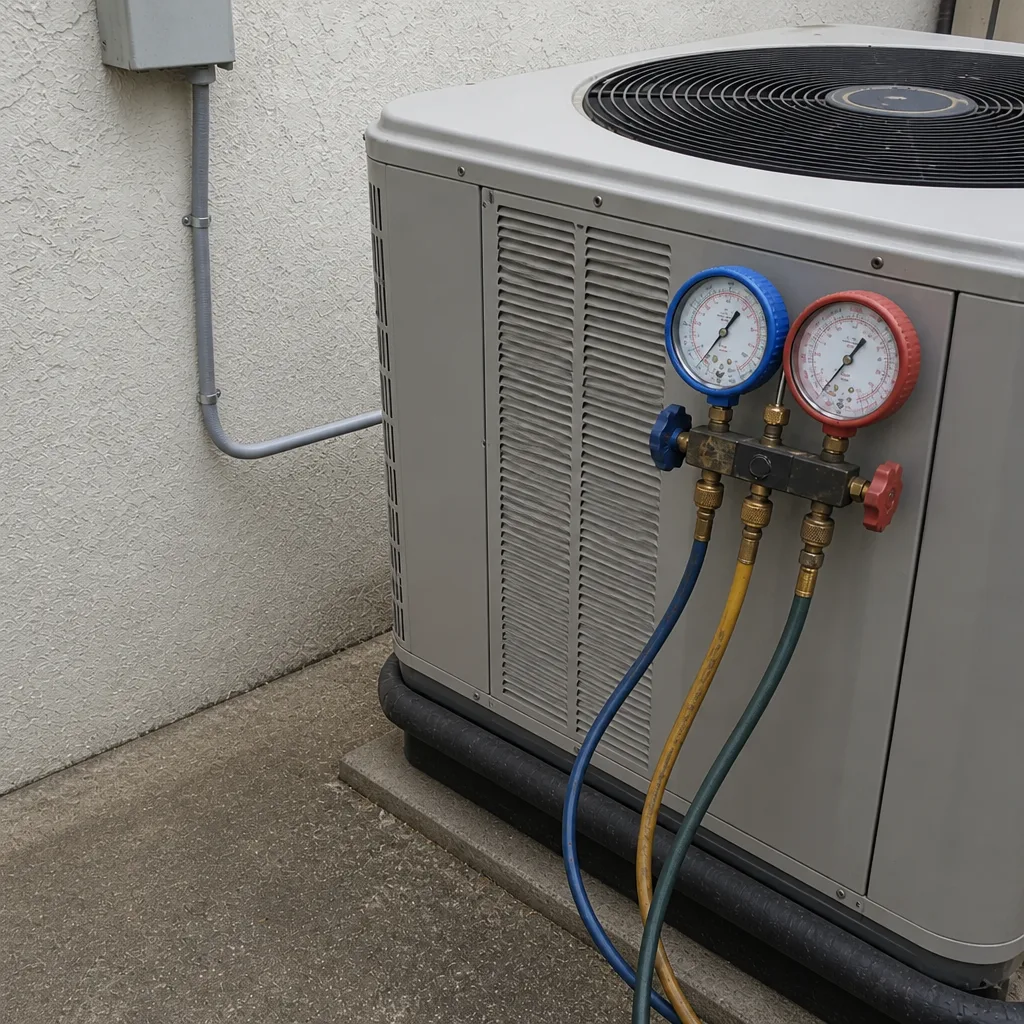
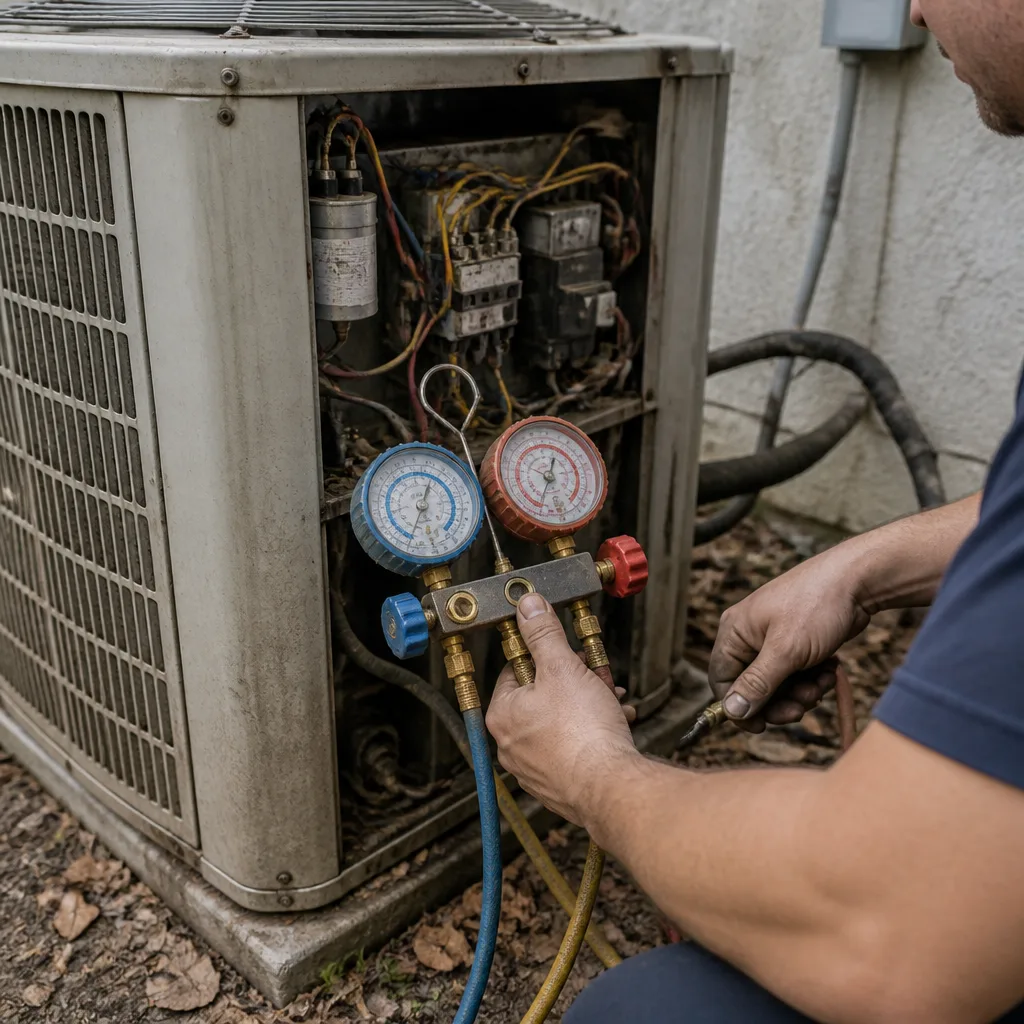
See the difference
 Before
 After
 Before
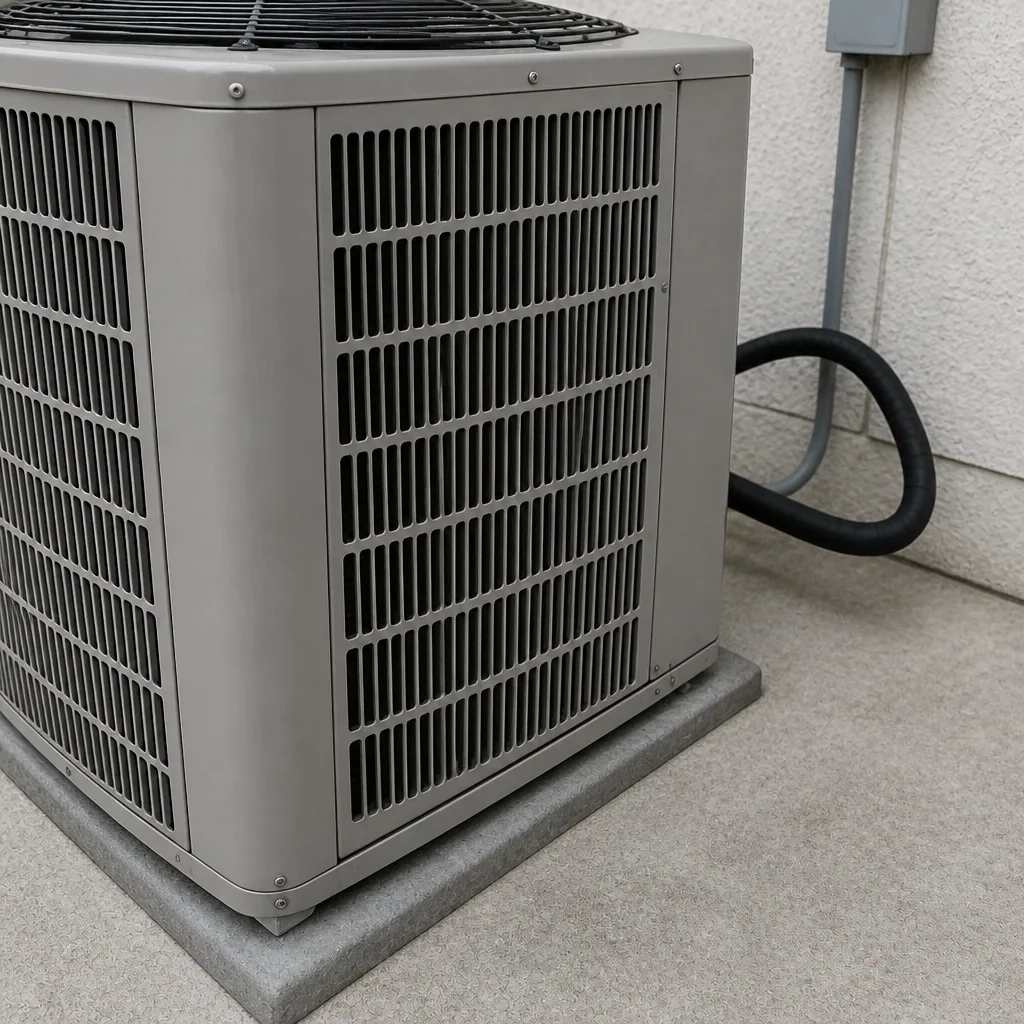 After
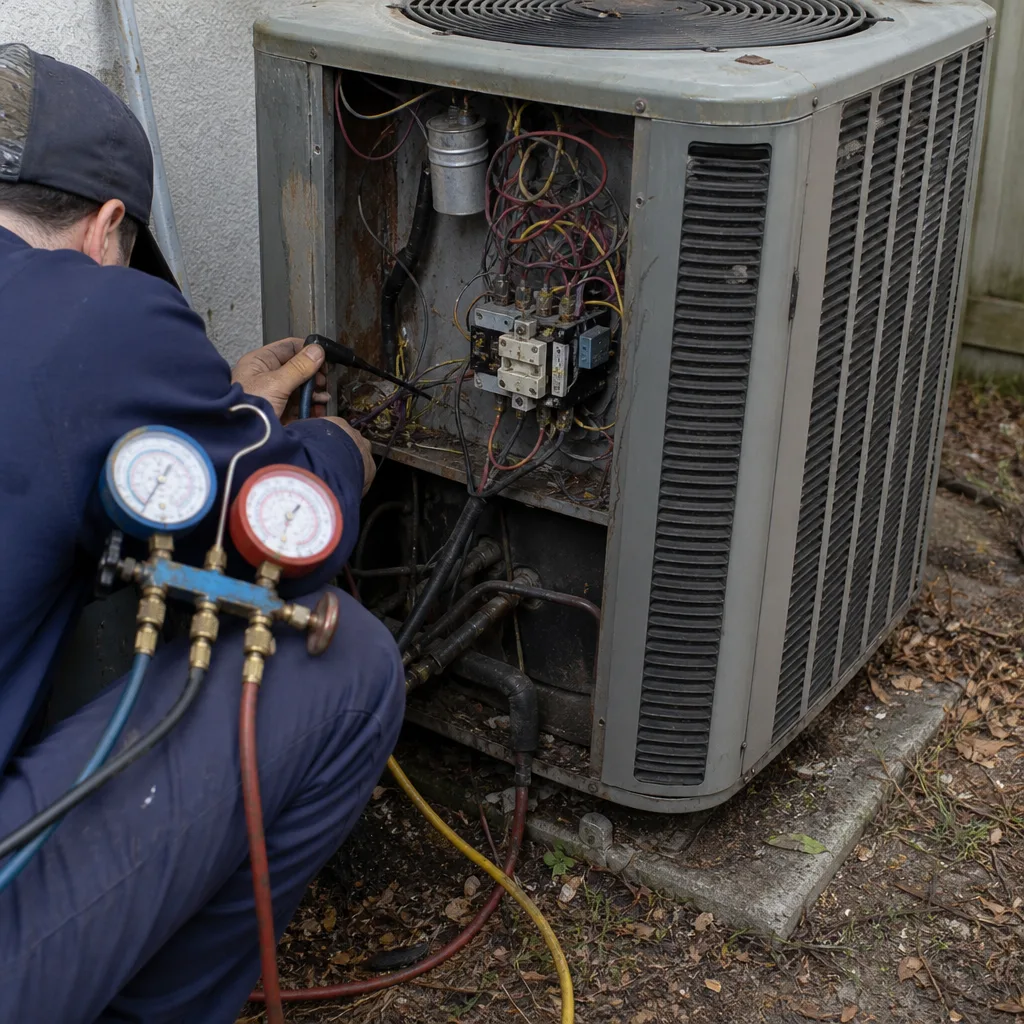 Before
 After
When to Call a Professional
Some equipment decisions can wait; a few shouldn’t. Call a professional if your system won’t start or won’t keep up during hot weather, if the compressor is short-cycling or tripping the breaker, if you smell refrigerant or burning, if the coil is leaking, or if the system is more than a decade old and needs more frequent repairs than it used to. Those situations need a trained technician on site, not a decision made in a showroom. The same goes for a system replacement in Palm Bay: sizing, refrigerant handling, and electrical work belong with a licensed and insured professional. HVAC work involves high voltage and pressurized refrigerant, and both carry real risk if handled by anyone untrained. Our technicians have up to 10 years of experience; we’re glad to look at whatever you’re facing. Flagship AC Repair offers free estimates in Palm Bay. Call (888) 374-9181.
Key Takeaways
- The tier within a brand matters more than the brand name.
- Ask for the full model number and the AHRI matched-system certificate before you sign.
- Local parts availability in Brevard County matters more than reputation when a compressor fails.
- Variable-speed compressors, coated coils, and matched systems are worth a premium in Palm Bay’s climate; cold-weather features are not.
- Dealer exclusivity biases recommendations. Ask for a head-to-head comparison in writing.
- A 10-year parts-and-labor warranty from an independent contractor often protects you better than a manufacturer’s extended plan.
Frequently Asked Questions
There isn’t one. The best HVAC brand for a Palm Bay home depends on which tier you’re buying within that brand, who installs it, and whether parts are available locally when something breaks. A top-tier Goodman from a value-oriented brand often beats a base-model Carrier at the same price point. Focus the comparison on tier, matched systems, and installation quality, and the brand choice becomes the least interesting part of the decision.
Ask for the full model number on the written proposal and compare it against the manufacturer’s current lineup. Every major brand uses model-number patterns that encode tonnage and series, and the series digits tell you entry, mid, or premium. If the contractor can’t produce a full model number on request, that’s a red flag. Call (888) 374-9181 if you want help reading a quote – estimates are free.
No. Installation quality matters more. A great unit installed with the wrong charge, oversized ducting, or a mismatched coil performs worse than an average unit installed carefully. Look for a Manual J load calculation, a matched AHRI system, and post-install verification on every proposal you review.
It depends on the brand and the specific part. Common parts for the widely distributed brands sold in Brevard County often sit on local shelves; less common models or proprietary components may need to be ordered. Before you sign, ask your contractor which local distributors stock the equipment they’re quoting and what the typical lead time is on a compressor or control board. That’s the number that determines how quickly a repair happens.
In most Palm Bay homes, yes. Variable-speed and multi-stage compressors run longer at lower capacity, which means steadier temperature control, better humidity removal, and less on-and-off cycling across a cooling season that runs nearly the whole year. The comfort difference is real and the compressor tends to last longer. Skip the cold-climate premiums instead and spend the savings here.
Either can do a good job, but a brand-agnostic contractor is more likely to recommend equipment based on fit and budget rather than on their dealer agreement. Ask any contractor directly whether they’re exclusive to a brand and what they’d install otherwise. If they balk at the question, that’s your answer. Call (888) 374-9181 for a free estimate and a comparison in writing – we service nine major brands and we don’t push one at you.
The Bottom Line
Brand choice matters, but not the way most HVAC marketing suggests. In Palm Bay, the variables that determine whether you’ll be happy with your system five years from now are the tier you bought within that brand, the quality of the installation, whether parts are available locally when something fails, and whether the premium features you paid for actually matter in this climate. Everything else is brochure copy. Compare tiers on paper, ask for full model numbers and AHRI matched-system certificates, and lean on a brand-agnostic contractor who can present competing systems side by side. Heating and cooling, handled – one call covers both.
If you’re ready to compare real systems for your Palm Bay home, our team is glad to walk through it with you. Call (888) 374-9181 for a free estimate. We answer 24/7. Fast dispatch from 7am to 7pm, Sunday through Friday.
Written by the team at Flagship AC Repair.