
Last updated November 15, 2026
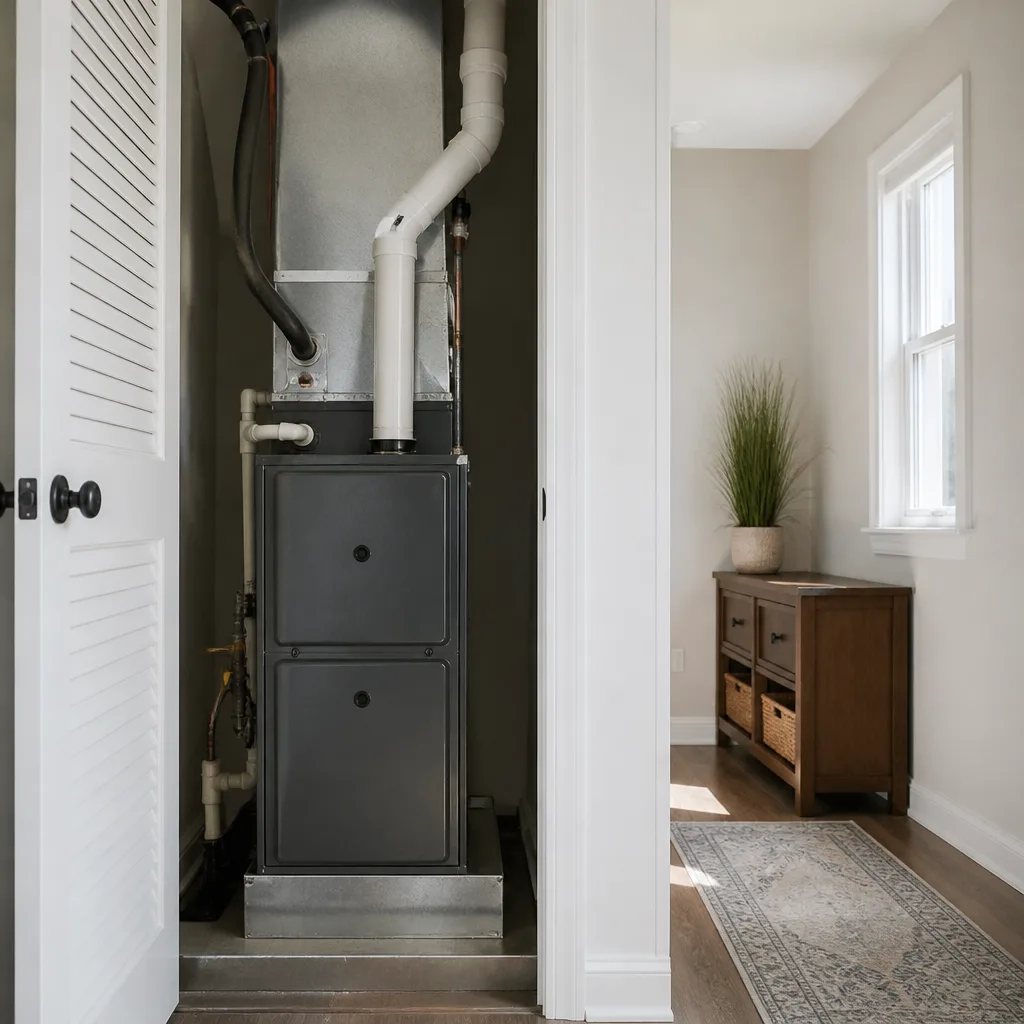 Furnace & heating
 AC repair
 Heat pumps
 Ductless mini splits
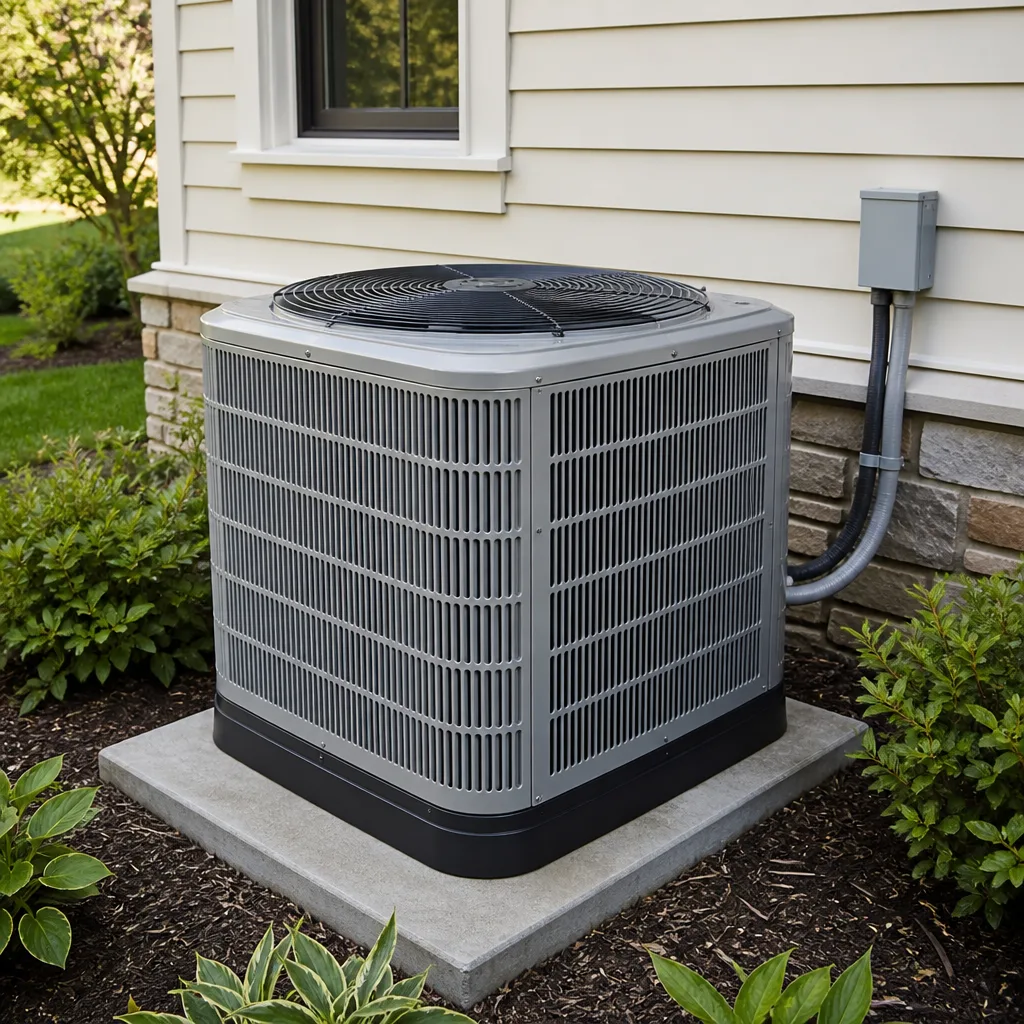 Carrier
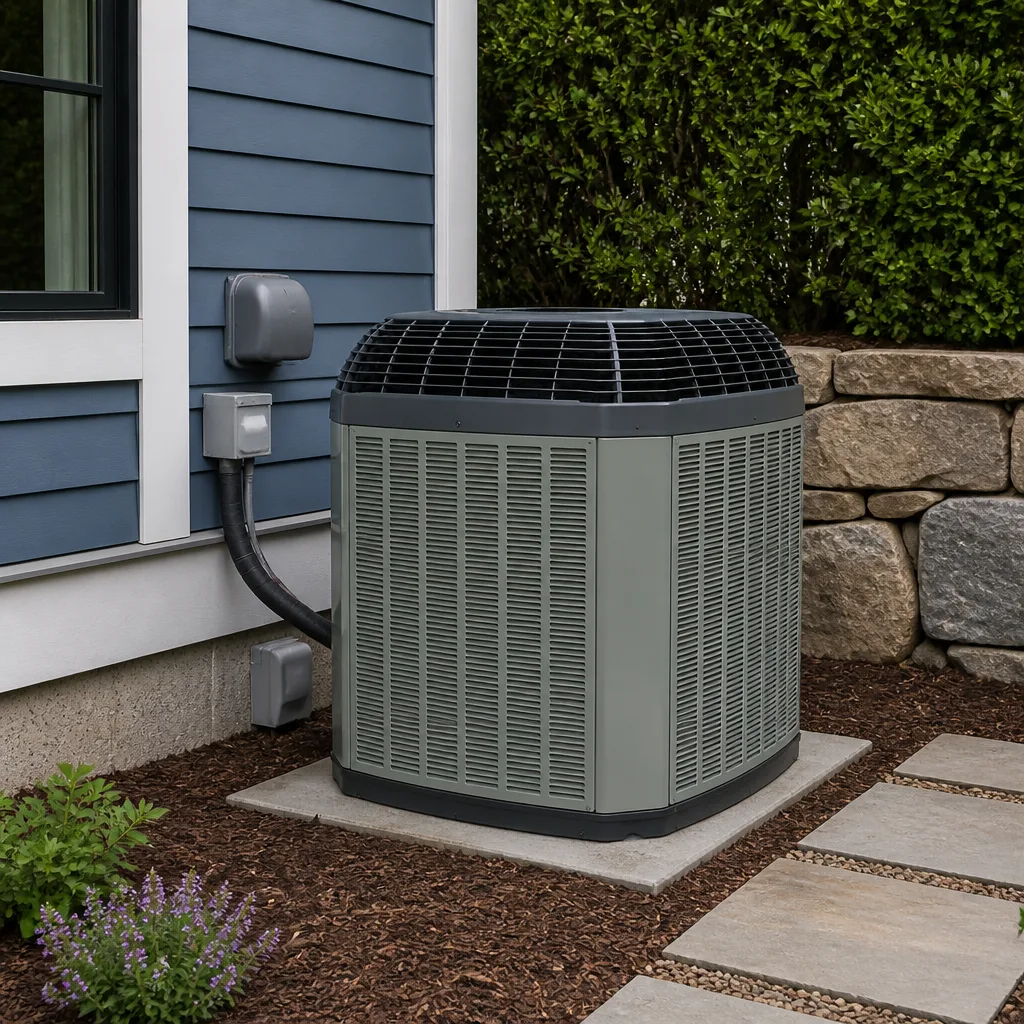 Trane
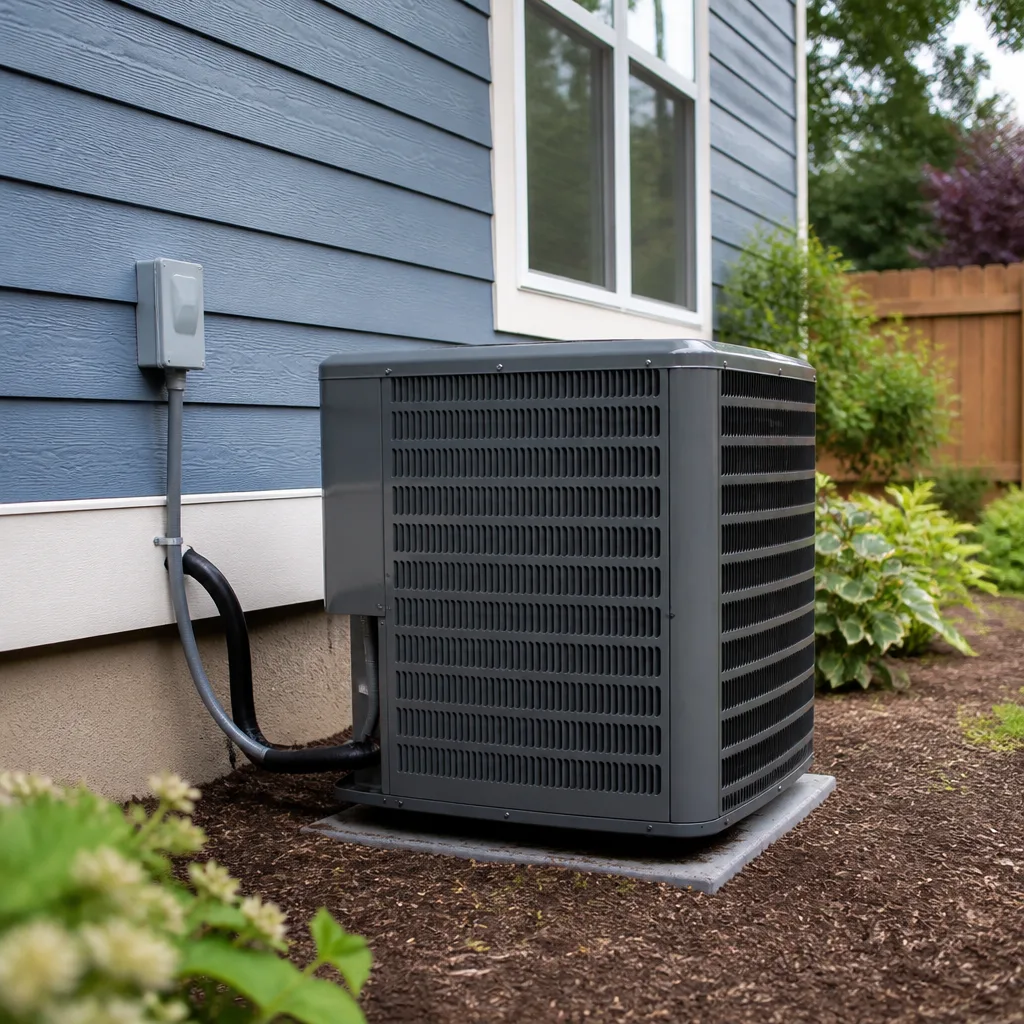 Goodman
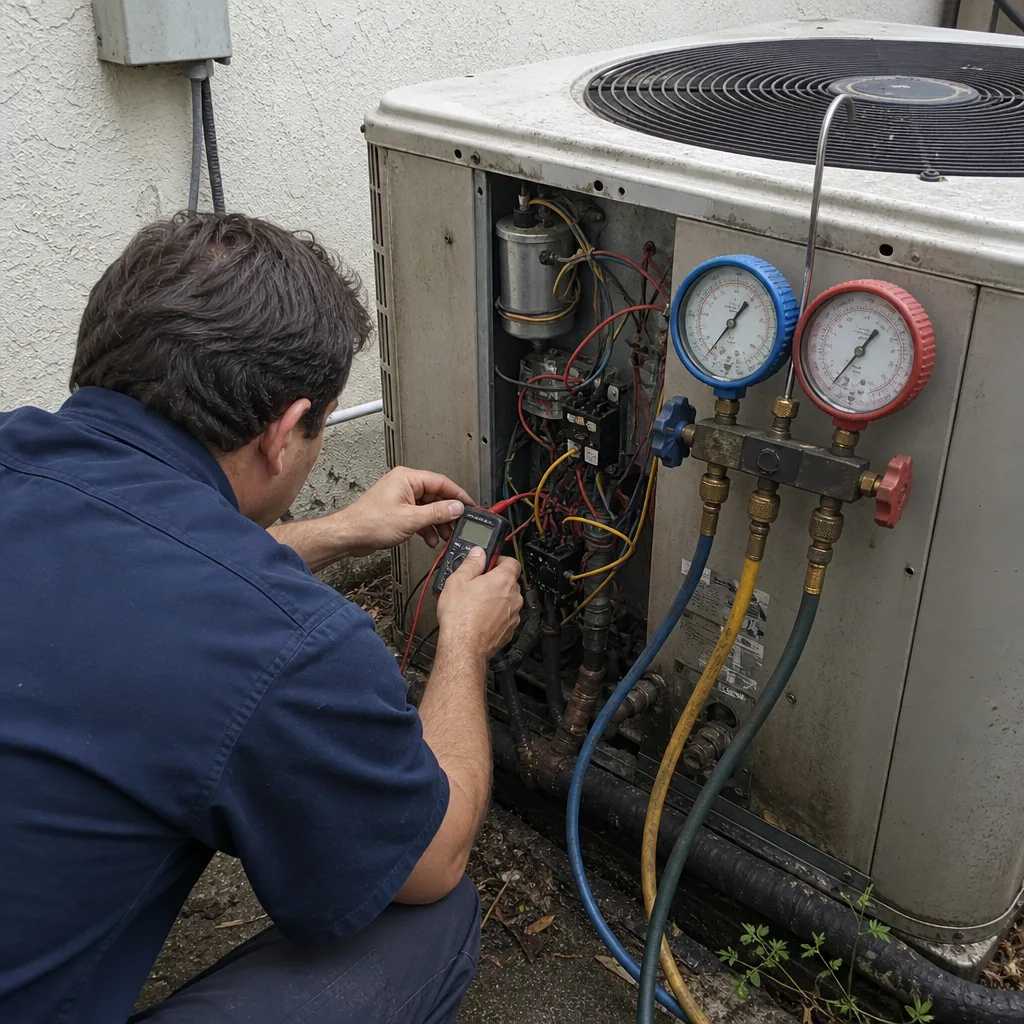
Seasonal tune-up and full diagnostic on your Carrier, Trane, or Goodman system - readings shown to you before any repair is proposed
Diagnosis first, numbers second - you approve the repair price before a single part goes in.
Get your free estimateFurnace Replacement Maintenance Checklist for Palm Bay Homeowners
Here’s the counterintuitive part about furnace replacement in Palm Bay: most gas furnaces in this city run fewer than 400 hours in a typical year. That’s a fraction of the runtime a furnace sees in colder markets, and it changes everything about how you decide when to replace one. A furnace that sits idle for nine warm, humid months doesn’t wear out the way a furnace running six months a year does. It corrodes. Inducer motors seize. Ignitors fail on first start. In our experience, age and inactivity are what end furnaces in Palm Bay, not combustion wear. This guide gives you a checklist built for those conditions, not a northern template.
Quick Answer
A useful furnace replacement checklist for Palm Bay focuses on four things: heat exchanger condition after years of light but repeated thermal cycling, humidity-related degradation of the inducer motor, ignitor and gas valve, correct gas venting under Brevard County code, and whether a dual-fuel heat pump setup would cost less to operate than a straight furnace replacement. Check those four items before you sign off on any replacement. The rest of this guide walks through each one.
Styles & brands we work with
- AC repair
- Furnace & heating
- Heat pumps
- Ductless mini splits
- Carrier
- Trane
- Goodman
Table of Contents
- Why Runtime Matters Less Than You Think in Palm Bay
- How to Assess Heat Exchanger Condition on a Low-Runtime Furnace
- Components That Fail Faster in Palm Bay Humidity Than in Actual Use
- What AFUE Rating Actually Makes Sense Here
- Brevard County Code and Venting Items on Your Checklist
- Dual-Fuel Heat Pump vs Straight Furnace Replacement
- The Pre-Replacement Walk-Through List
- What a Proper Palm Bay Replacement Involves
Why Runtime Matters Less Than You Think in Palm Bay
Palm Bay sits in a climate where heating is a seasonal necessity for a few weeks or months and a rare event the rest of the year. A furnace here cycles on for a few dozen hours during a cold snap, then sits dark for most of the year. That pattern creates failure modes a checklist written for northern climates never addresses. A furnace in a colder market accumulates so many combustion hours that wear appears in the components that are actually in motion – blower bearings, limit switches, flame sensors. A furnace in Palm Bay spends its life in storage, in a humid garage or closet, with the same small components exposed to Florida air.
That’s why the familiar “replace at 15 years” advice is nearly meaningless here unless you also know the maintenance history. Two identical furnaces installed on the same day can be in completely different shape five years later depending on:
- Whether the unit was cleaned and checked before and after each heating season
- Whether the garage or closet it sits in stays dry or collects moisture
- How many short cycles it ran during the last cold snap
- Whether the inducer motor was ever disturbed or relubricated
- Whether a failed ignitor was replaced with the correct part or a generic substitute
Age alone tells you almost nothing. What tells you something is a physical inspection of the components that sit idle. We’ve seen furnaces fewer than ten years old with seized inducer motors after a summer of disuse, and sixteen-year-old Carrier and Trane units in clean closets still running within spec. The furnace in Palm Bay is a seasonal appliance, and it should be judged that way.
How to Assess Heat Exchanger Condition on a Low-Runtime Furnace
The heat exchanger is the single most important component in any furnace replacement decision. It separates combustion gases from the air your family breathes. On a low-runtime Palm Bay furnace, cracks and corrosion don’t usually come from thousands of combustion hours – they come from the thermal cycling itself. Every time the furnace heats up and cools down, metal expands and contracts. Repeat that enough times across a decade of cold snaps and small stress fractures can start at seams and welds even when total flame-on time is modest.
Here’s what a proper heat exchanger assessment looks like:
- Visual inspection of the primary and secondary cells. A technician should look at each cell with a light and mirror or a borescope, checking seams, dimples and the transition into the flue.
- Combustion analysis. A digital combustion analyzer reads CO and O2 in the flue gas. Rising CO on a low-runtime furnace is a red flag even when visual inspection looks clean.
- Check for rust trails and scale. Rust streaks at seams often indicate condensation moving through the exchanger before a crack is visible to the eye.
- Flame appearance check. A wavering flame pattern or flame roll-out during startup can signal a cracked cell or blocked flue.
- Documented findings. You should get a written report showing what was found and how. Any reputable technician should be able to show you where they looked.
If the heat exchanger shows any crack, perforation or significant rust, replacement is the safe decision, not a repair. We don’t recommend continuing to run a furnace with a compromised heat exchanger while you “think about it.” For the specific repair side of that call, our furnace repair page covers when a component-level fix is reasonable and when it isn’t.
Components That Fail Faster in Palm Bay Humidity Than in Actual Use
This is where a Palm Bay-specific checklist earns its keep. Three components on a gas furnace are particularly sensitive to sitting idle in humid air: the inducer motor, the ignitor and the gas valve. Each degrades on a different schedule and each has a different signal that it’s about to fail.
Inducer Motor
The inducer drafts combustion gases out the flue. It sits in a humid garage or closet for months and its bearings lose lubrication without turning. By the time cold weather arrives, you get a motor that hums without spinning, trips a pressure switch fault, or grinds. A technician should spin it by hand and check amp draw, not just verify it starts.
Hot-Surface Ignitor
The ignitor is a fragile silicon nitride or silicon carbide element. It doesn’t wear from use so much as it cracks from thermal shock – that first cold start after nine months of disuse is the moment it fails. Every Palm Bay furnace should have the ignitor checked for resistance and cracks before heating season, not after the first no-heat call.
Gas Valve
Gas valves seize when they don’t cycle. A valve that hasn’t moved in a year can stick closed on the first call for heat. This is a safety-critical component and should never be taken apart in the field by a homeowner. Proper check: manifold gas pressure verification with a manometer and a leak check at the valve body.
Other components worth checking on the same pass:
- Flame sensor – clean it every year; oxidation from sitting is common
- Pressure switch – verify it opens and closes cleanly
- Blower motor capacitor – capacitance drift is a cheap fix and a common failure
- Control board – inspect for moisture staining or insect intrusion
- Condensate trap and drain line on high-efficiency units – check that nothing has dried out or clogged
What AFUE Rating Actually Makes Sense Here
AFUE is the annual fuel utilization efficiency rating on a gas furnace, and it means less in Palm Bay than the marketing suggests. In a northern market where the furnace runs thousands of hours a year, the difference between an 80% AFUE furnace and a 96% AFUE furnace can pay back in a reasonable timeline. In Palm Bay, where the furnace runs a few hundred hours a year at most, the fuel savings from the high-efficiency premium can take a very long time to recover – often longer than the equipment will realistically last. That’s arithmetic, not opinion.
What that means for your checklist:
- Start with an 80% AFUE single-stage or two-stage furnace unless you have a specific reason to go higher. It matches the actual heating load and cost structure of a Palm Bay home.
- Consider a two-stage or variable-speed blower mainly for the summer cooling benefit. Variable-speed blowers run the AC more quietly and dehumidify better during our long cooling season, which is where you’ll actually feel the difference.
- Reserve the 96% AFUE condensing units for homes with a specific venting reason (existing PVC flue path) or where long-term energy choices are already being made. The high-efficiency premium isn’t the default best answer here.
The right system for your home is the one that matches your actual heating hours and your actual budget, not the highest-rated box on the shelf. We work on Carrier, Trane, Lennox, American Standard, Goodman, Rheem, York, Daikin and Bryant, so the conversation is about fit, not about which distributor called us last.
Brevard County Code and Venting Items on Your Checklist
Any gas furnace replacement in Palm Bay involves permitting and inspection through the local building department. This isn’t a formality – venting, gas piping and combustion air are safety issues, and a contractor who suggests skipping the permit is signaling how they treat the rest of the job. The rules you need to know about are the ones your permit pulls in.
Checklist items that tie to code and to the inspection:
- Confirm the permit is being pulled in your name and the address. A reputable contractor or the licensed professional they work with will handle this transparently.
- Vent system inspection. The flue must be properly sized for the new furnace, properly sloped, and correctly terminated above the roof. On a replacement, this is the item most often missed and the one most likely to fail inspection.
- Combustion air path. Verify that the furnace closet or garage has adequate combustion and ventilation air per the manufacturer’s instructions and local code.
- Gas line sizing and shutoff. The new furnace must have a proper sediment trap, a working shutoff valve, and gas piping sized for its input rating.
- Condensate handling on high-efficiency units – proper neutralizer or drain routing.
- Electrical disconnect and grounding. Verify the circuit matches the new unit’s requirements.
- Final inspection sign-off before the contractor considers the job complete.
Because venting is often the pivot point in a Palm Bay replacement, it’s the single item worth asking about upfront. If your current metal flue can’t support a 96% furnace, the contractor should tell you that before you sign anything, not after the equipment arrives. For code questions specific to your home, check with the Brevard County building department – we’re not the code authority and won’t pretend to be.
Dual-Fuel Heat Pump vs Straight Furnace Replacement
This is a question Palm Bay homeowners should ask more often than they do. A dual-fuel system pairs a heat pump for the milder cold season with the gas furnace for lower temperatures. The heat pump handles the majority of heating hours efficiently, and the furnace kicks in only when the outdoor temperature drops below the heat pump’s economic balance point. In a climate like ours, where cold snaps are short and deep cold is rare, that setup matches the actual heating profile better than a gas furnace alone.
When dual-fuel makes economic sense:
- Your existing furnace is being replaced anyway and you’re already evaluating the AC side
- Your electrical service can support a heat pump without a costly panel upgrade
- You want the gas furnace as backup for the coldest nights, not as the daily heater
- You want a single integrated heating and cooling system instead of two separate decisions
When straight furnace replacement is the better call:
- Your budget is fixed and a straight swap is the cleanest fit
- Your electrical panel is already at capacity – a panel upgrade changes the math
- You’re happy with the existing AC and aren’t ready to replace it now
- Your ductwork is set up for a furnace with no adjustments needed
The economics here are about your specific house, your panel, and how long you plan to stay – not a rule of thumb. We’ll walk through both scenarios with you and give you an honest read on which one actually fits.
The Pre-Replacement Walk-Through List
Before you commit to a furnace replacement in Palm Bay, run through this list yourself and bring it to the estimate. It changes the quality of the conversation and it lets you spot the difference between a contractor who’s doing homework and one who’s reading a template.
- Gather the data plate details – model, serial, input and output BTU, AFUE, installation date if you have it.
- Note every component failure you’ve had in the last three years – ignitor, inducer, flame sensor, pressure switch. Frequency tells a story.
- Record your thermostat behavior – short cycling, long run times, uneven heating across rooms.
- Check for a permit sticker or past inspection record on the current install.
- Photograph the flue and vent termination from the attic or roof penetration if accessible.
- Note the closet or garage conditions – humidity, drainage, water staining, pests.
- Ask about load calculation – a proper replacement starts with a Manual J calculation, not a guess based on the old unit’s size.
- Get the estimate in writing – line items for equipment, labor, permit, venting modifications and haul-away.
Any estimate that doesn’t include a load calculation and a written scope of work isn’t finished. If the contractor hasn’t looked at the flue, ask why.
What a Proper Palm Bay Replacement Involves
Furnace replacement is not a same-day turnaround project in most Palm Bay homes, and anyone who tells you otherwise is rushing. Load calculation, equipment ordering, permit handling and venting evaluation come first. When the actual install happens, the sequence looks like this:
- Protection and setup – floor protection, gas shutoff, electrical disconnect.
- Removal of the old unit – including proper recovery of any refrigerant if the system is a dual-fuel setup.
- Inspection of the space – verify the pad, combustion air, flue path and electrical circuit before setting the new unit.
- Setting the new furnace and connecting gas, flue, electrical and condensate.
- Commissioning – combustion analysis, temperature rise check, gas pressure verification, and a full heating cycle test.
- Walk-through – a proper tech walks you through the new equipment, thermostat setup, filter type and placement, and what to watch for during the first cold snap.
- Permit inspection scheduling and final sign-off.
Because we handle both furnace and AC work, a replacement can be planned as one project instead of two. That matters most in a dual-fuel or full-system replacement. If you’d like to see how we handle the cooling side of that planning, our AC installation page covers what a matching system looks like from the other end.
Common Mistakes to Avoid
- Replacing based on age alone. A “15-year rule” borrowed from colder climates will have you replacing furnaces that have plenty of life left. Condition and history matter more than the calendar.
- Assuming high AFUE is automatically better in Palm Bay. At four hundred heating hours a year, the payback on a 96% AFUE premium may never materialize. Match the rating to the load, not to the marketing.
- Skipping the flue inspection on a replacement quote. Venting is the most common inspection failure in this area. If it’s not in the written scope, ask why.
- Ignoring humidity-related failures. A seized inducer or cracked ignitor after a summer of disuse is a Palm Bay failure pattern. Treat the fall startup check as mandatory, not optional.
- Skipping the permit to save a few hundred dollars. A furnace replacement without a permit is a resale problem, an insurance problem and a safety problem. Not worth it.
- Not asking for a load calculation. Resizing a furnace without one is guessing. A proper replacement starts with the actual heat loss of your house.
- Settling for a generalist contractor. Furnace replacement is a specific, code-heavy job. A plumber or electrician doing HVAC on the side isn’t the same trade, and the venting and combustion analysis steps show it.
See the difference
 Before
 After
 Before
 After
 Before
 After
When to Call a Professional
Call a professional immediately if you smell gas, if the furnace’s flame rolls out during startup, if you see soot around the flue, or if a carbon monoxide alarm has activated. Those are safety emergencies, not diagnostic questions. Also call when the heat exchanger shows any sign of cracks, when a component has failed twice in one season, when the furnace is on its third inducer motor, or when you’re being asked to approve a replacement without a documented inspection. Same-day service is available for no-heat calls, and the phones are answered 24/7. Flagship AC Repair offers free estimates in Palm Bay – call (888) 374-9181. We answer 24/7, with fast dispatch from 7am to 7pm, Sunday through Friday.
Frequently Asked Questions
Once a year, in the late fall before heating season starts, is the minimum. In our climate, the annual visit matters even more than the runtime would suggest, because the failure modes here are driven by inactivity and humidity, not hours of use. A pre-season check catches a seized inducer, a cracked ignitor and a stuck gas valve before you find them the hard way. During the service, the technician should also check the flame sensor, the pressure switch and the heat exchanger. Call (888) 374-9181 for an exact quote – estimates are free.
There’s no single age, and that’s the honest answer. A furnace running fewer than 400 hours a year in this climate can last considerably longer than the national average if it’s been maintained through fall checks, or it can fail early if it sat humid and unchecked. The decision should come from a physical inspection of the heat exchanger, inducer, ignitor and gas valve, not from the date on the data plate. If a technician tells you it’s time to replace based on age alone, ask to see the inspection findings. Call (888) 374-9181 for a free estimate and a documented recommendation.
Yes, gas furnace replacement is a permitted scope of work in Palm Bay, and the inspection covers venting, gas piping and combustion air. A reputable contractor will handle the permit and schedule the inspection as part of the replacement, and it should appear as a line item on the written estimate. If the estimate doesn’t mention the permit, ask about it before you sign. For specific code questions, confirm with the Brevard County building department. Call (888) 374-9181 to talk through the permit side of your replacement – estimates are free.
For most Palm Bay homes, an 80% AFUE single-stage or two-stage furnace is the sensible choice, with the upgrade decision driven by whether you also want a variable-speed blower for summer cooling comfort. A 96% AFUE condensing furnace can make sense if your existing venting already supports it or if you’re planning a dual-fuel setup, but the fuel savings alone rarely justify the premium at our heating hours. The right number depends on your home’s actual load. Call (888) 374-9181 for an exact quote based on your house – estimates are free.
Often, yes, especially if you’re replacing the AC at the same time. A heat pump handles most of our mild heating load efficiently and lets the gas furnace serve as backup for the coldest nights. Whether it’s the better call for your home depends on your electrical panel capacity and your budget. It’s worth evaluating alongside a straight furnace replacement before you commit. Call (888) 374-9181 and we’ll walk through both options with you – estimates are free.
Same-day service is available for no-heat calls, and the phones are answered 24/7, with fast dispatch from 7am to 7pm, Sunday through Friday. A call outside dispatch hours is booked into the next opening. If your furnace is out and you need it back on, call (888) 374-9181 – estimates are free.
The Bottom Line
Furnace replacement in Palm Bay isn’t a northern decision wearing a Florida hat. The checklist is different: heat exchanger condition after light but repeated thermal cycling, humidity-related degradation of the inducer, ignitor and gas valve, correct venting under Brevard County code, and an honest look at whether dual-fuel makes more sense than a straight swap. Age alone tells you very little. Get a documented inspection, insist on a load calculation, and don’t buy a high-efficiency furnace on marketing alone. We work on Carrier, Trane, Lennox, American Standard and the other major brands, and we’ll give you the recommendation that fits your home, not one that fits a sales quota.
If you’re ready to have the checklist run on your furnace, or ready for a free estimate on a replacement, Palm Bay homeowners can reach the team at Flagship AC Repair at (888) 374-9181. We answer 24/7. Fast dispatch, 7am-7pm, Sunday through Friday. One call covers it.
For a look at how we approach heating and cooling as a single scope, see Flagship AC Repair and the services we cover.
Written by the team at Flagship AC Repair.